Picture yourself sipping coffee on a quiet, tree‑lined street, then hopping on your bike for a quick ride to lakes, galleries, and downtown. If that vision fits your everyday pace, Lowry Hill may be a strong match. You want charm, convenience, and a neighborhood that feels established without feeling far from the action. In this guide, you’ll explore what day‑to‑day life looks like here, from housing and parks to transit and practical tips for buyers and renters. Let’s dive in.
Lowry Hill at a glance
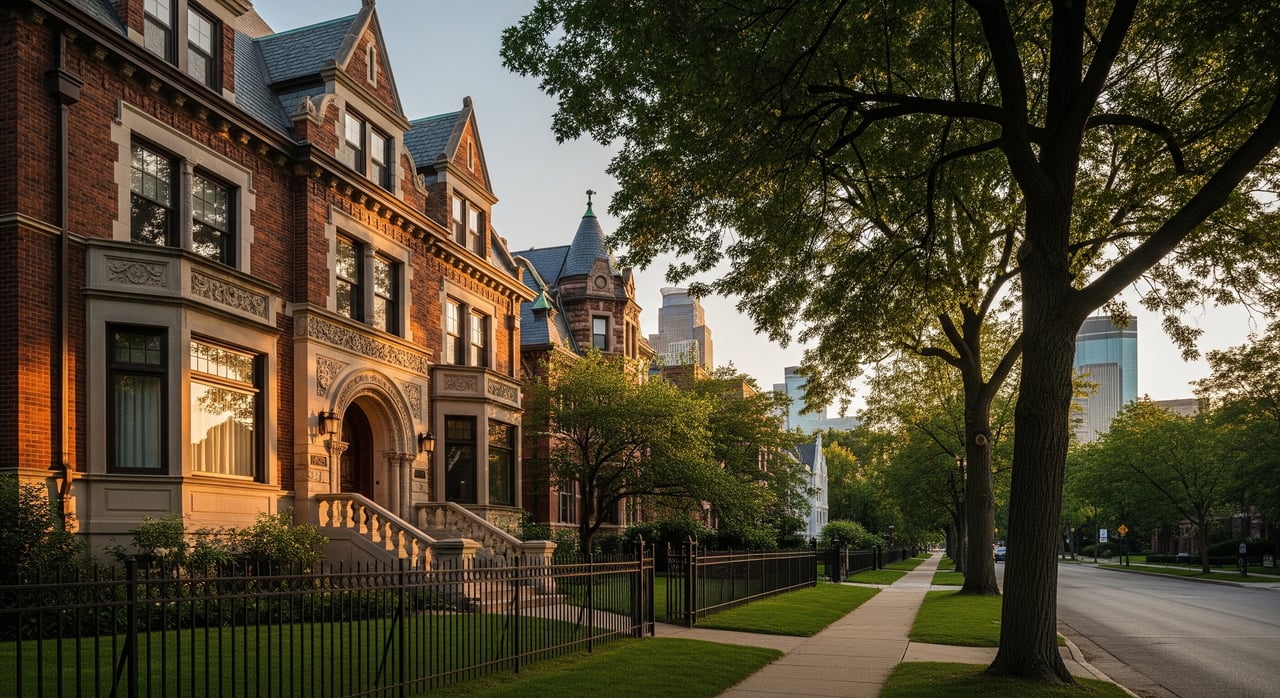
Lowry Hill is an established Minneapolis neighborhood known for historic homes, leafy streets, and a calm residential feel close to downtown. You will find a classic streetscape with mature trees and architecture that reflects the area’s early growth in the late 19th and early 20th centuries. Its close‑in location places you near parks, cultural venues, and key city corridors.
Many residents choose Lowry Hill for a walkable and bikeable lifestyle. You can enjoy quiet blocks at home and reach dining, shopping, and arts options within a short ride or stroll.
Homes and architecture
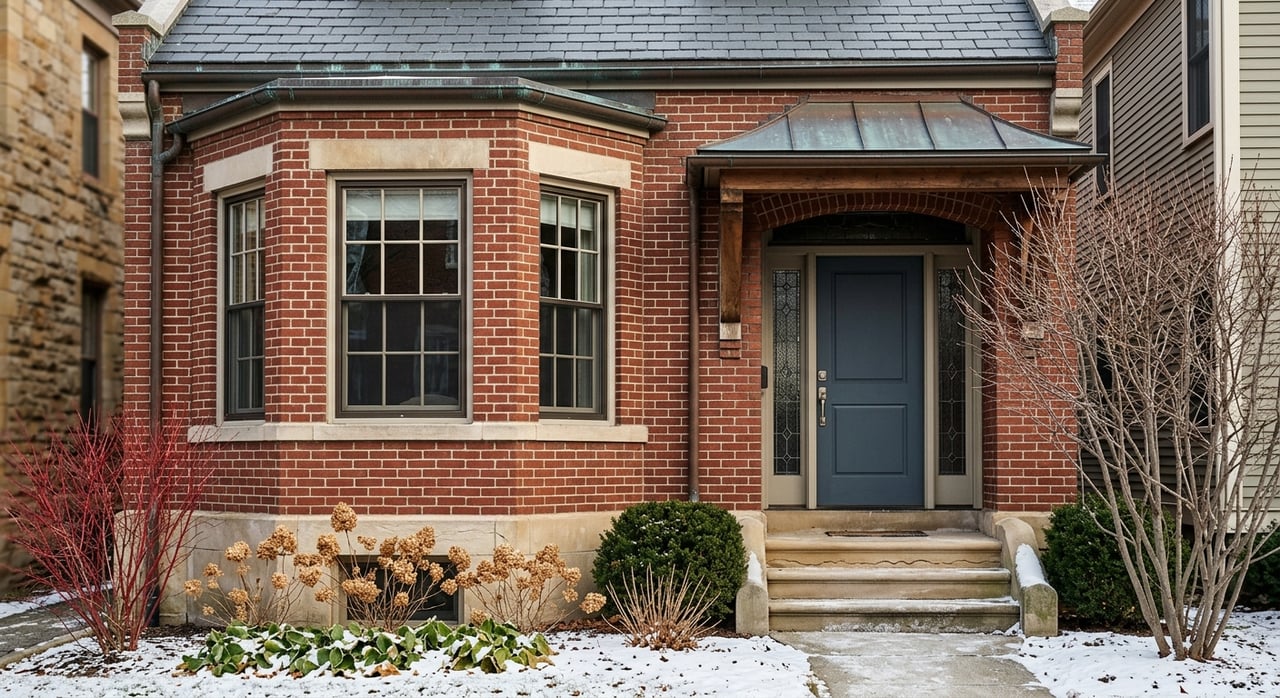
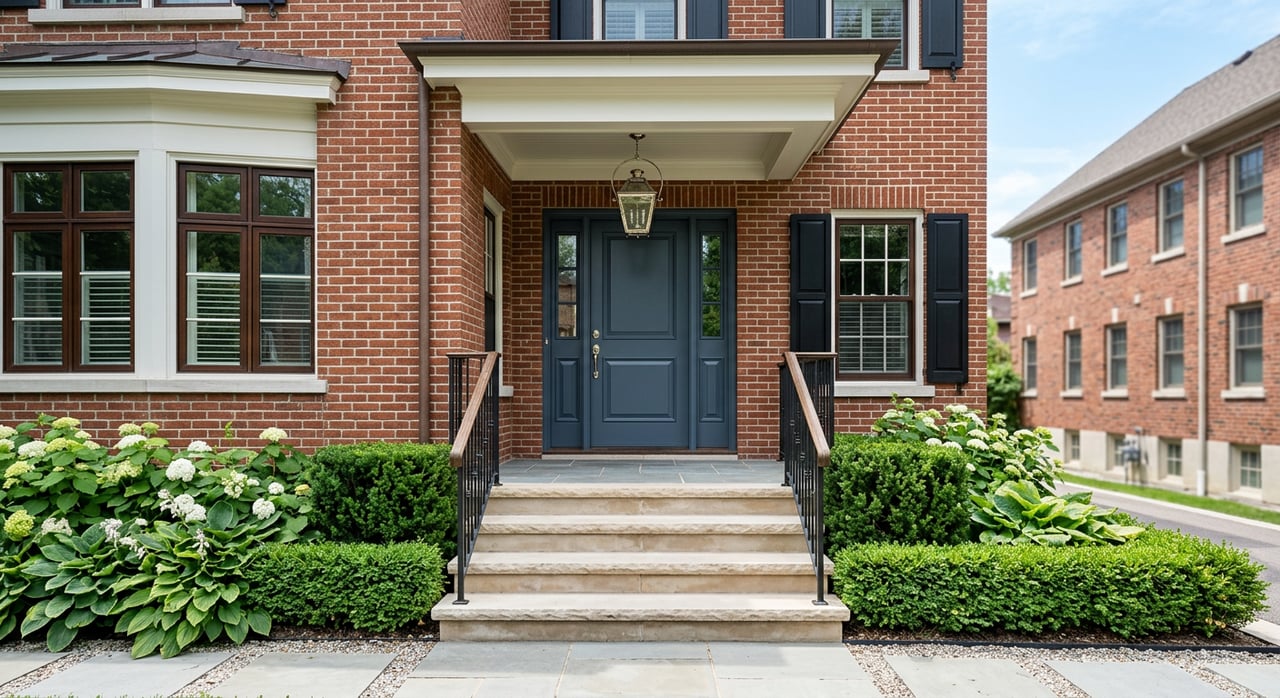
Lowry Hill’s housing stock is a standout. You will see large single‑family homes and mansions from the late 1800s and early 1900s, along with smaller historic homes and select newer infill. Many properties have been carefully renovated, and some larger homes were converted into condominiums.
Common architectural styles include Queen Anne and Colonial Revival, along with other period designs you often find in Minneapolis’s historic areas. If you love character details, this neighborhood delivers. Inventory for single‑family historic homes can be limited, and price points are often higher than city averages. If you prefer lower maintenance, you will also find higher‑end apartments and condos within or near the neighborhood.
What to consider with historic homes
- Plan for thorough inspections and a maintenance budget for roofing, masonry, and period details.
- For condos, review association fees, reserves, and building maintenance records.
- If you’re looking at preservation rules, review local heritage preservation resources during due diligence.
Daily rhythms
On weekdays, mornings start with easy walks for coffee and dog‑friendly strolls along quiet blocks. Commuters often bike, drive, or take the bus to reach downtown and nearby districts. Afternoons tend to stay calm on interior streets.
Weekends bring more time outdoors. Residents head to lakes and parkways for jogging, biking, and winter activities when conditions allow. You might visit galleries or museums, then meet friends for a casual dinner in nearby dining corridors.
Parks and outdoor life
Lowry Hill provides quick access to Minneapolis parkways and the city’s lake system. You can walk, run, or bike along nearby green routes and enjoy seasonal activities like cross‑country skiing or skating on the lakes when conditions permit. Small neighborhood parks and larger destinations sit a short ride away.
The area is friendly for pets thanks to walkable streets and access to green space. Be sure to review local leash rules and off‑leash guidelines before you go.
Dining, coffee, and shopping
While most of Lowry Hill is residential, you are close to several dining and shopping corridors. It is common to walk or bike to cafés, bistros, bakeries, and boutique shops. This setup gives you a neighborhood feel at home and convenient choices for daily errands and evenings out.
Arts and culture nearby
Living here places you near major cultural institutions, theaters, music venues, and galleries in central Minneapolis. You can plan museum days, catch evening performances, and enjoy seasonal festivals within a short trip. Neighborhood association events add local flavor and create easy ways to connect with neighbors.
Getting around
Driving and parking
Many households drive for regional trips. On‑street parking is common on residential blocks, and some homes include garages. Parking rules can vary by block, so it’s smart to check signage and any permit requirements.
Transit options
Bus routes on surrounding corridors connect you to downtown and other city districts. Depending on your destination, you may combine bus service with light rail for a smoother trip. Schedules and frequency vary by time of day, so plan ahead if you rely on transit for commuting.
Biking and walkability
Lowry Hill benefits from Minneapolis’s broader bike network. Short bike rides can get you to parks, lakes, and downtown. Walkability is strong on many blocks, with everyday errands often completed in adjacent commercial areas.
Schools and learning options
School assignments depend on your exact address. If schools are a priority, review official boundary maps and individual school profiles as part of your planning. Programs, offerings, and enrollment processes can change, so it pays to verify details early in your search.
Safety and sound
Lowry Hill is generally described as stable and residential. Like any urban area, conditions can vary by block and over time. Proximity to busier corridors or event venues can mean more activity or occasional noise, while interior streets tend to feel quieter.
Taxes, insurance, and condo rules
Property taxes reflect assessed values and local rates. Older homes can carry higher replacement‑cost insurance considerations, which may affect premiums. For condos, review the HOA’s financials, rules, and reserves to understand monthly fees and long‑term planning.
Is Lowry Hill a fit for you?
You may appreciate Lowry Hill if you value historic architecture, mature trees, and an easy reach to parks and culture. You can enjoy a calm residential base while staying close to downtown and major venues. If you want very high‑density nightlife outside your door, nearby districts may offer more of that energy.
Quick checklist for your search
Define your must‑have architectural features and acceptable maintenance level.
Decide if single‑family ownership or a condo lifestyle fits your routine.
Map your daily routes to parks, transit, and frequent destinations.
Visit at different times of day to gauge noise, parking, and traffic.
Review taxes, insurance, and HOA documents before you make an offer.
How Massad Real Estate can help
If you are weighing historic charm against everyday convenience, a local guide makes a real difference. Our team supports buyers, sellers, renters, and relocation clients with neighborhood‑level insight and clear, responsive service. When you are ready to tour homes or plan a move, reach out to George L Massad for a thoughtful, no‑pressure next step.
FAQs
What is the commute to downtown like from Lowry Hill?
- Many residents report short car or bike trips for downtown commutes, with transit options available on nearby corridors. Exact times vary by route and time of day.
Are restaurants and cafés within walking distance of Lowry Hill homes?
- Yes. The neighborhood is close to several dining and shopping corridors, so you can often walk or bike to coffee, casual meals, and daily errands.
What is the nighttime vibe in Lowry Hill?
- It is primarily residential and quieter than entertainment districts. If you want more nightlife, nearby areas offer more options within a short ride.
Do historic homes in Lowry Hill require extra maintenance?
- Often yes. Plan for detailed inspections and a maintenance budget for roofing, masonry, windows, and period details. For condos, review HOA reserves and policies.
How should I approach school planning if I buy in Lowry Hill?
- Confirm your address‑based assignments and review individual school profiles. Programs and boundaries can change, so verify details early in your search.