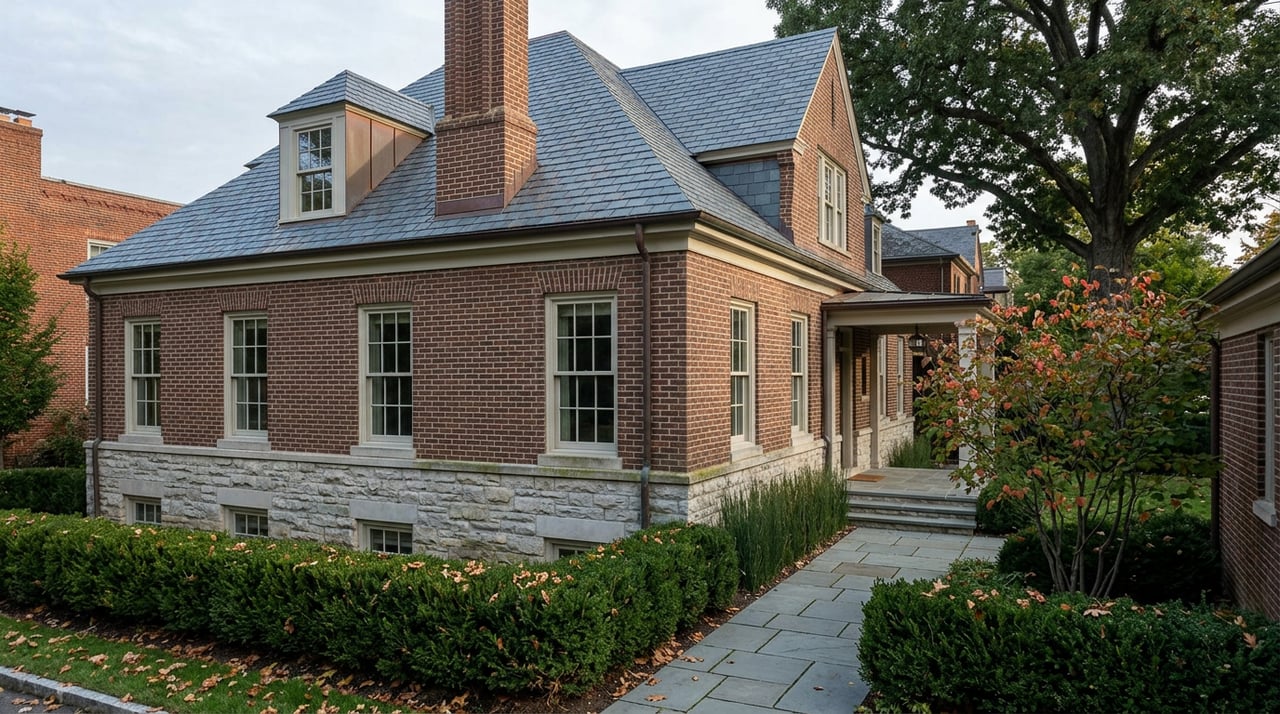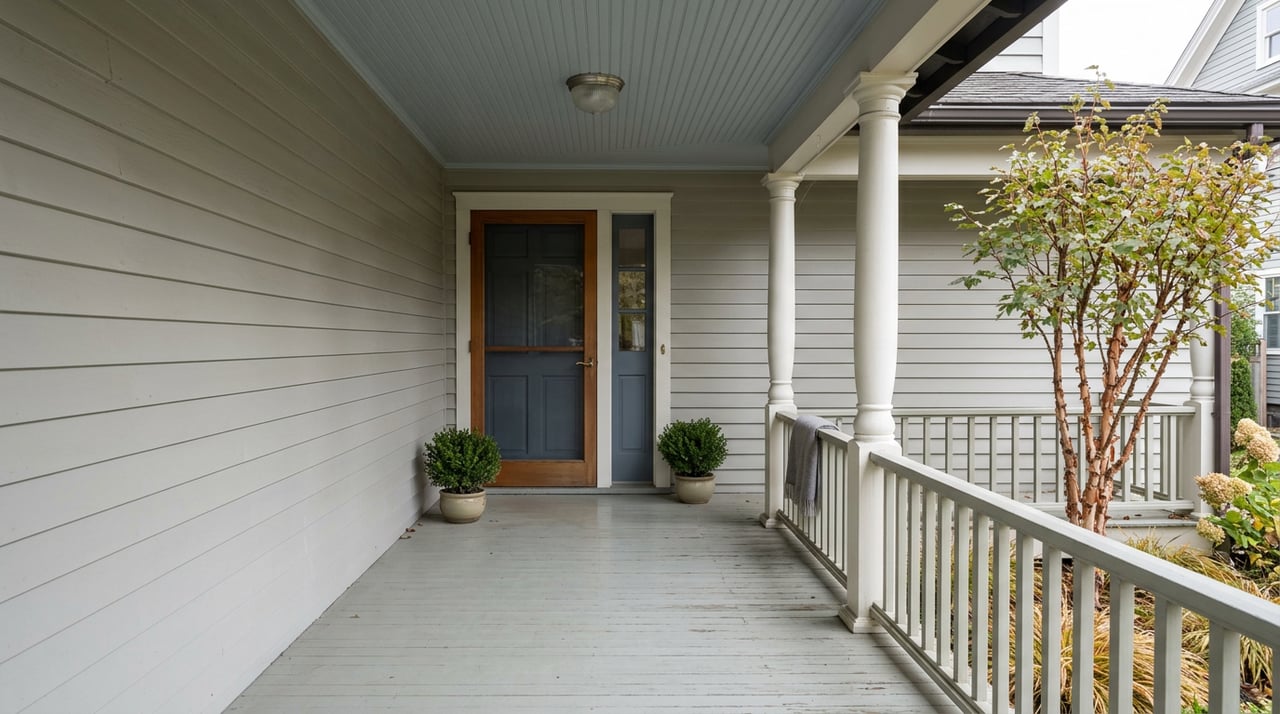
Here is how it usually unfolds. A seller lists a home on one of Lowry Hill's hilltop streets near Kenwood Parkway or Mount Curve, the kind of place with a wraparound porch and a chimney that has stood since before the streetcars stopped running down Hennepin. The Truth-in-Sale of Housing evaluation, mandatory in Minneapolis before any showing can happen, comes back within days. Most of it is routine. Then one line item stops the process cold: the porch needs structural repair, and structural repair means a permit, and the permit officer wants to know if the property carries local historic designation before it issues anything.
That single question can turn a two week fix into a two month wait. It is the part of selling in this neighborhood that rarely makes it into a staging checklist, because it has nothing to do with paint colors or curb appeal. It has to do with which clock is actually running your closing date, and in Lowry Hill, there are two.
The Inspection That Moves Fast
Minneapolis requires every home sale to clear a Truth-in-Sale of Housing evaluation before the property can be shown. A licensed evaluator inspects the home and files the report with the city, and that report stays valid for two years or until the home sells, whichever comes first. Sellers typically pay in the range of two hundred to three hundred fifty dollars for the initial evaluation, with reinspection fees running fifty to one hundred dollars if repairs need a second look.
The findings get sorted into three practical buckets. Some items are quick fixes a homeowner handles before the first showing. Some need a licensed contractor but no permit. And some, the ones that tend to catch sellers off guard, require a permit before the work can even begin.
| Bucket | What it typically covers | Who handles it | Permit involved |
|---|---|---|---|
| A | Missing smoke or CO alarms, loose handrails | Homeowner, before showings | No |
| B | GFCI outlet replacement, minor electrical fixes | Licensed contractor | No |
| C | Electrical panel changes, major HVAC or plumbing work | Licensed contractor with permit | Yes |
Bucket A and B move at the speed of a contractor's calendar. Bucket C moves at the speed of the city's permit queue. Structural exterior repairs, the kind an aging porch or exterior stair often needs, fall into this same permit-required category, and if the exterior of the home also sits under historic review, the queue gets longer still.
Where Lowry Hill's Age Works Against the Clock
Lowry Hill's housing stock is part of what makes the neighborhood worth the drive. Large historic single-family homes line the hilltop streets, early twentieth century apartment buildings run along Hennepin and Franklin, and a number of the grand old mansions have been converted into condos that keep the original bones while splitting the square footage. That character is exactly what draws buyers, and it is exactly what generates the Bucket C items on a TISH report. Original woodwork, aging porches, older electrical components, and drainage issues around foundations built before modern grading standards were common show up again and again in evaluations of homes this age.
None of that is unusual for a neighborhood built in the streetcar suburb era. What is easy to miss is that portions of Lowry Hill carry local historic designation, which means the exterior repair a TISH report just flagged might need more than a standard permit. It might need sign off from the city's Heritage Preservation Commission first.
The city is direct about what that can mean for a timeline. According to Minneapolis's own historic preservation guidance, property owners must follow design guidelines when altering a historic building or district, and the page states plainly that "it can take many weeks to get approval to alter a historic property."
Many weeks is not a phrase that pairs well with a thirty day close.
The Second Clock: Certificate of Appropriateness
The Heritage Preservation Commission exists to review changes to the city's landmarks and historic districts, weighing proposed work against a set of standards before it clears a project. The city applies ten standards to determine whether an alteration to a historic property can be approved, covering everything from material compatibility to whether the change preserves the features that made the property significant in the first place. That review produces a Certificate of Appropriateness, and for exterior work on a locally designated property, the certificate has to exist before the building permit does.
This is the second clock. TISH runs on days. Certificate of Appropriateness review runs on weeks. A seller who only tracks the first one can find themselves with a buyer, a signed purchase agreement, and a closing date that assumed the porch repair would move at TISH speed instead of HPC speed.
The fix is not complicated, but it has to happen early:
- Confirm whether your specific address carries local historic designation before you order your TISH evaluation, not after the report comes back
- If any exterior item looks likely to land in Bucket C, contact Heritage Preservation staff the same week, not after a buyer is already under contract
- Build the historic review timeline into your listing calendar the same way you would a typical thirty to forty five day close, since the two rarely match by default
- Ask your contractor directly whether they have handled a Certificate of Appropriateness application before, since not every licensed contractor has
What Buyers Inherit If the Clock Runs Out
Minneapolis does allow a seller to list a home with required repairs still open, but it shifts the obligation rather than removing it. The buyer signs an Acknowledgement of Responsibility, files it within one business day of closing, and then has ninety days to complete the repairs themselves. For a Bucket A or B item, that is a manageable ask. For a Bucket C item tied up in historic review, ninety days can be tight if the Certificate of Appropriateness process has not even started yet.
That is the practical stakes of the two clock problem. It does not just slow down a seller's closing, it can hand an unfinished, permit-dependent repair to a buyer who assumed the paperwork was already moving.
FAQ
Does the TISH requirement apply to condos in converted Lowry Hill mansions? Yes. The evaluation applies to the sale of the unit regardless of whether the building started as a single family mansion, though the exterior and common area items are typically the building association's responsibility rather than the individual seller's.
If my home is only listed on the National Register, does that mean no Certificate of Appropriateness is needed? National Register listing on its own does not restrict what a private owner can do to the exterior. Certificate of Appropriateness requirements come from local designation specifically, which is a separate status the city assigns to certain properties and districts. The two designations are not the same thing, and checking which one applies to your address is worth doing before you assume either way.
How do I find out if my specific Lowry Hill address carries local historic designation? The Heritage Preservation Commission's office can confirm designation status for a specific parcel, and the Heritage Preservation Commission page outlines how the commission reviews changes to landmarks and historic districts across the city. It is a five minute call that can save weeks later.
Ready to Sell With the Right Timeline in Hand
Selling a home in Lowry Hill means selling a piece of the neighborhood's actual history, and that history comes with a process most out of town buyers and even some local sellers have never had to navigate before. Knowing which clock is running your closing date, before your TISH report lands rather than after, is the difference between a smooth thirty day sale and a scramble against a review board's calendar.
If you are weighing a sale on Kenwood Parkway, Mount Curve, or anywhere else in Lowry Hill, Massad Real Estate can walk your specific address through both clocks before you ever schedule a showing. Request a Free Home Valuation and let's map out your timeline together.