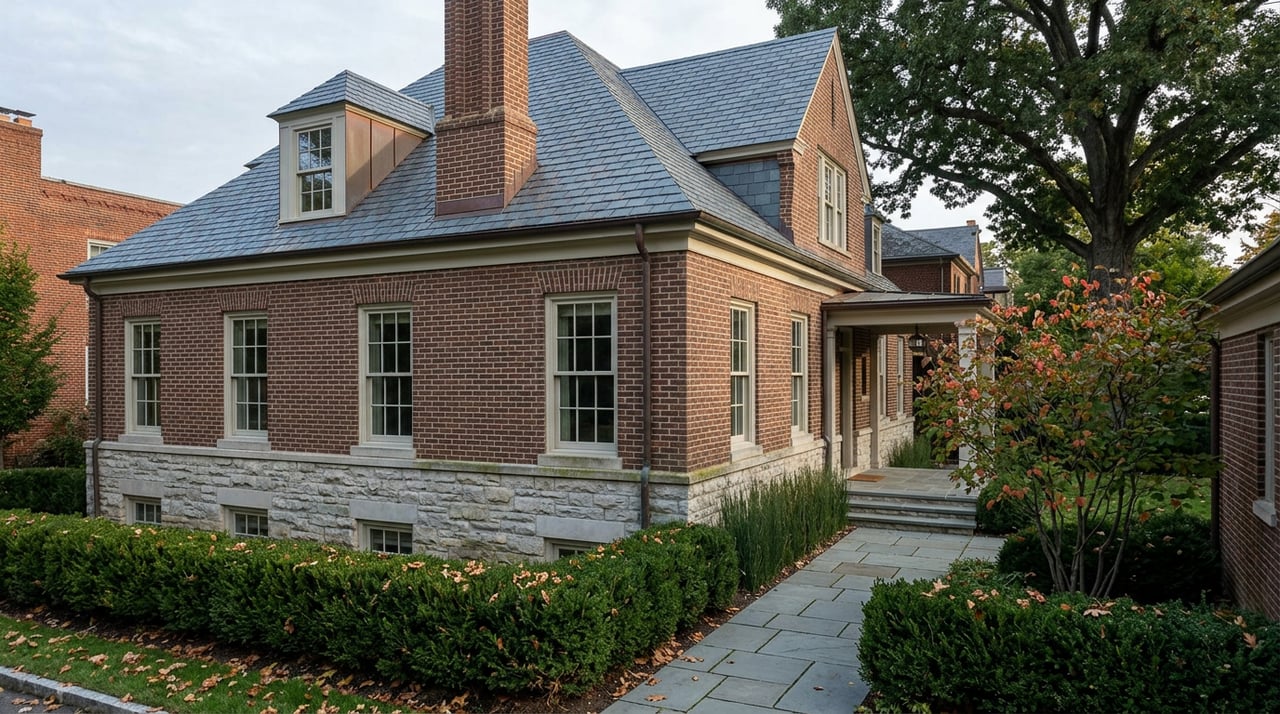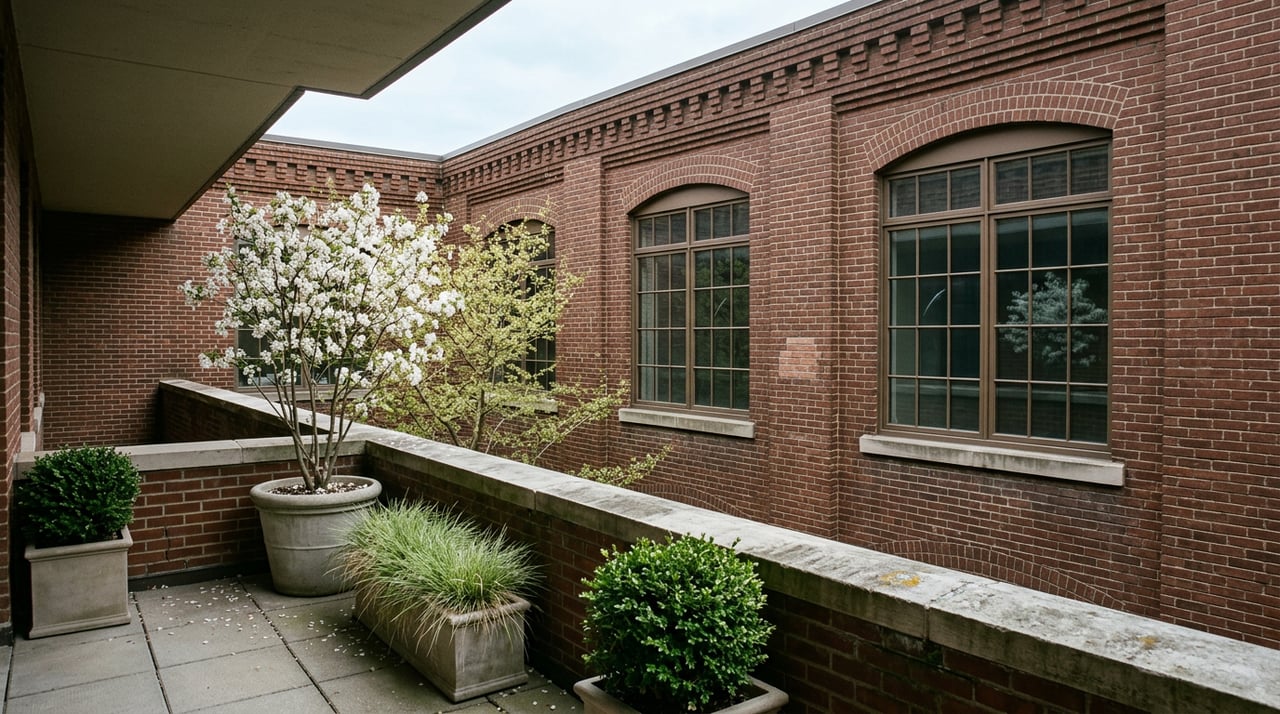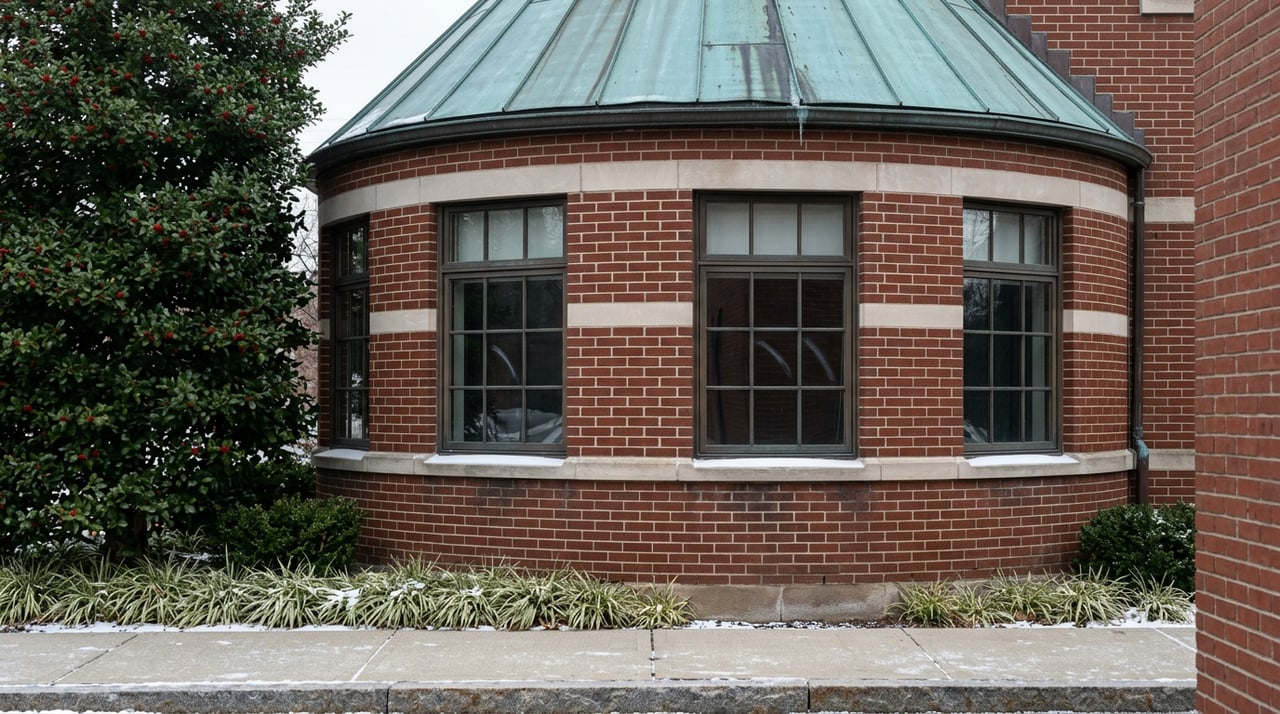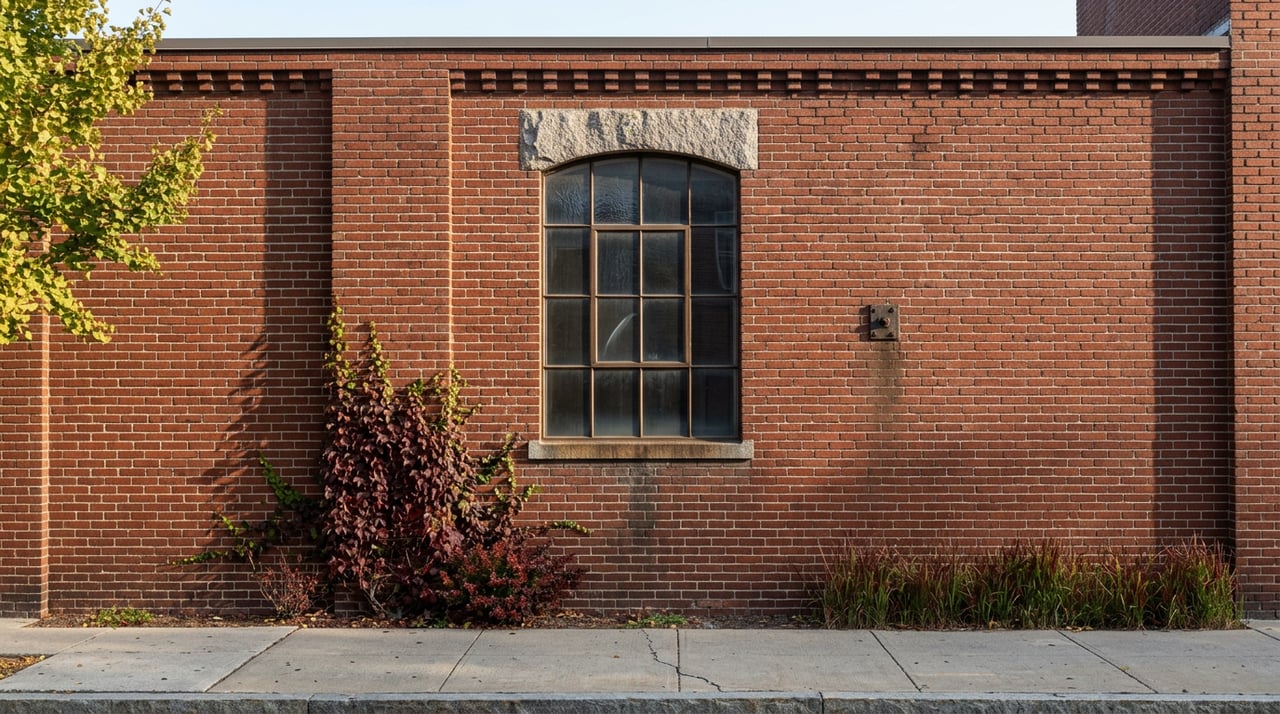
You tour a loft in the Mill District on a Saturday afternoon. Exposed brick, seven-inch timber beams, a wall of windows facing the river. The price is $80,000 under the building two blocks over with the same square footage. You write an offer that evening, certain you found the deal of the summer.
Then your lender calls. The building's reserve fund doesn't meet the threshold for conventional financing, and your loan is stuck until the association fixes it, or it dies.
That call happens more often in Downtown East than the listing photos would suggest, and it has nothing to do with how much you offered. It has to do with a number that never shows up in the MLS description: what percentage of the building's annual budget actually goes into savings for the roof, the elevator, and the parking garage. That number, not the price per square foot, is increasingly what decides whether a Downtown East condo purchase closes at all.
The Rule Lenders Are Suddenly Taking Seriously
Fannie Mae and Freddie Mac have long expected condo associations to put at least 10 percent of their annual operating budget into reserves. For years, that guideline sat quietly in underwriting manuals while lenders looked the other way on borderline buildings. That has changed. Local condo specialists working the Minneapolis market describe a real shift in how strictly that 10 percent threshold gets enforced now, not because the rule is new but because lenders, insurers, and secondary-market buyers are actually checking it before they approve a loan.
For a buyer, that means the building matters as much as the unit. A well-run association with healthy reserves clears financing without friction. An association that has kept dues low for years by underfunding its reserve account can make an otherwise attractive unit difficult, or impossible, to finance conventionally, regardless of how the number on the listing sheet compares to the building next door.
A cheaper unit in an underfunded building isn't a discount. It's a financing problem wearing a discount's clothes.
Two Buildings, Two Risk Profiles
Downtown East's Mill District mixes two very different kinds of construction, and they carry two very different reserve pictures. Historic mill conversions like Bridgewater Lofts and American Trio Lofts date to buildings originally built for grain storage and light industry, later converted into residential space with exposed brick and timber. Newer towers like Eleven on the River, a 41-story building completed in 2022 and designed by Robert A.M. Stern Architects with 120 residences, started their reserve accounts from zero under current funding standards, with capital plans built around today's construction and insurance costs rather than decades of retrofits.
That doesn't mean every conversion is underfunded and every new tower is safe. It means the two building types face different maintenance timelines and different reserve math, and a buyer comparing prices across them without asking about reserve funding is comparing two things that aren't actually comparable.
| Historic loft conversion | New-construction tower | |
|---|---|---|
| Typical era | Early-1900s industrial building, converted decades later | Built and reserve-funded under current standards |
| Common maintenance items | Original masonry, aging elevators, older mechanical systems | Newer systems, but larger, more complex shared infrastructure |
| Reserve funding pattern | Varies widely by association history and dues discipline | Often starts closer to full funding, but budgets are new and untested |
| Buyer's diligence focus | Assessment history, reserve study age, masonry and roof condition | Budget maturity, whether early estimates matched real costs |
What the Current Numbers Are Actually Saying
Minneapolis Area Realtors' rolling twelve-month figures, current through February 2026, put Downtown East's median sale price at roughly $695,000, the highest among the downtown submarkets tracked in that report, well ahead of neighbors like Loring Park at $240,000 and North Loop at $390,000. That headline number is real, but it describes closed sales from a rolling window ending five months before you're reading this, not what is on the market right now.
By early July 2026, active listing data painted a different picture: 39 condos for sale in Downtown East at a median list price of $805,000, with typical listings sitting for 80 days and only 11 units closing in the prior month. A gap that wide between what sellers are asking now and what closed earlier in the year can mean several things at once, tighter inventory, sellers testing higher price points, or deals stalling somewhere between accepted offer and closing table. A reserve fund shortfall discovered mid-underwriting is exactly the kind of stall that would not show up as a public price cut. It shows up as a listing that quietly gets pulled and relisted weeks later.
HOA dues across Downtown East typically run between $600 and $1,000 a month. That range alone tells you little about a building's financial health. A $650 monthly fee at a well-capitalized building can be a better deal than a $600 fee at a building that has kept dues artificially low while deferring the roof replacement it will eventually have to assess owners for.
The Documents That Matter More Than the Photos
Minnesota's Common Interest Ownership Act, which governs most condo associations in the state, requires boards to reevaluate whether their replacement reserves are adequate at least once every three years. The law doesn't dictate the exact format of that review, but most well-managed associations commission a professional reserve study on roughly that same three-to-five-year cycle. Either way, the most recent reevaluation on file could legally be nearly three years old and still be in compliance. Ask when it last happened. If nobody can produce an answer, treat that as information in itself.
Before you're deep into a contract, request:
- The declaration, bylaws, and articles of incorporation
- The current annual budget and most recent financial statement
- The reserve study or reserve fund analysis, and its date
- A five-to-ten-year history of any special assessments
- The resale disclosure certificate confirming current dues, delinquencies, and any pending assessments
These documents cost you nothing to request and tell you more about your future monthly cost than any amenity photo will.
Red Flags Worth a Second Look
A few patterns are worth pausing on rather than waving through:
- Reserves that look thin relative to the building's age and the scope of its shared systems
- No reserve study on file, or one older than three to five years
- Repeated or escalating special assessments within the last three to five years
- Large insurance deductibles that could pass costs to owners after a claim
- Board minutes describing planned capital projects with no funding source identified
None of these automatically disqualifies a building. They tell you where to ask harder questions before you're financially committed.
Building This Into Your Offer
If you're serious about a unit in an older Mill District conversion, build a short HOA document review period into your purchase agreement, typically seven to ten days, with the right to walk away if what you find is unacceptable. If an assessment is already pending, negotiate for the seller to cover it at closing or provide a credit rather than inheriting the bill. And if a lender flags reserve funding as a problem after you're under contract, that's a conversation for your real estate attorney and lender together, not something to try to solve on your own mid-transaction.
FAQ
Does a lower HOA fee mean a building is in better financial shape? Not necessarily. A modest fee can reflect a well-run association that has negotiated good vendor contracts, or it can reflect years of underfunding reserves to keep monthly costs low. The fee alone doesn't tell you which one you're looking at.
What is MCIOA, and why does it matter here? The Minnesota Common Interest Ownership Act is the state law governing most condo associations, including what they must disclose to buyers at resale and how often they must reevaluate their reserve funding. It's the legal backbone behind the documents you should be requesting before you remove contingencies.
How long should my HOA document review period be? Seven to ten days is common in the Twin Cities market, though your agent and attorney can tailor that window to the complexity of the building and how quickly the association can produce documents.
Every Downtown East building tells a different financial story once you get past the listing price, and reading that story correctly is the difference between a smooth closing and a stalled one. If you're comparing buildings in the Mill District and want a second set of eyes on a reserve study or an assessment history before you write an offer, Massad Real Estate can help you read the numbers that actually matter.