Trying to choose between a classic Lowry Hill house and a lock-and-leave condo? You’re not alone. This neighborhood gives you stunning historic architecture, city convenience, and a wide range of living styles, which makes the decision both exciting and complex. In this guide, you’ll compare lifestyle, costs, maintenance, parking, and resale factors so you can move forward with confidence. Let’s dive in.
Lowry Hill at a glance
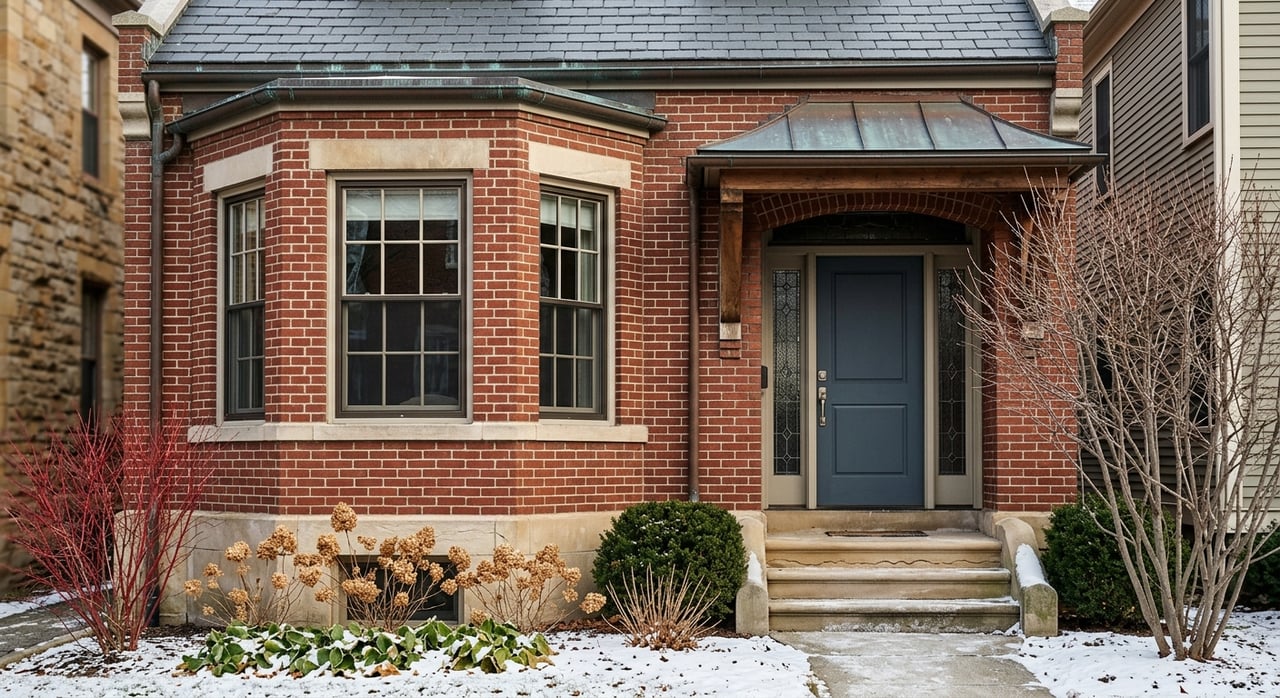
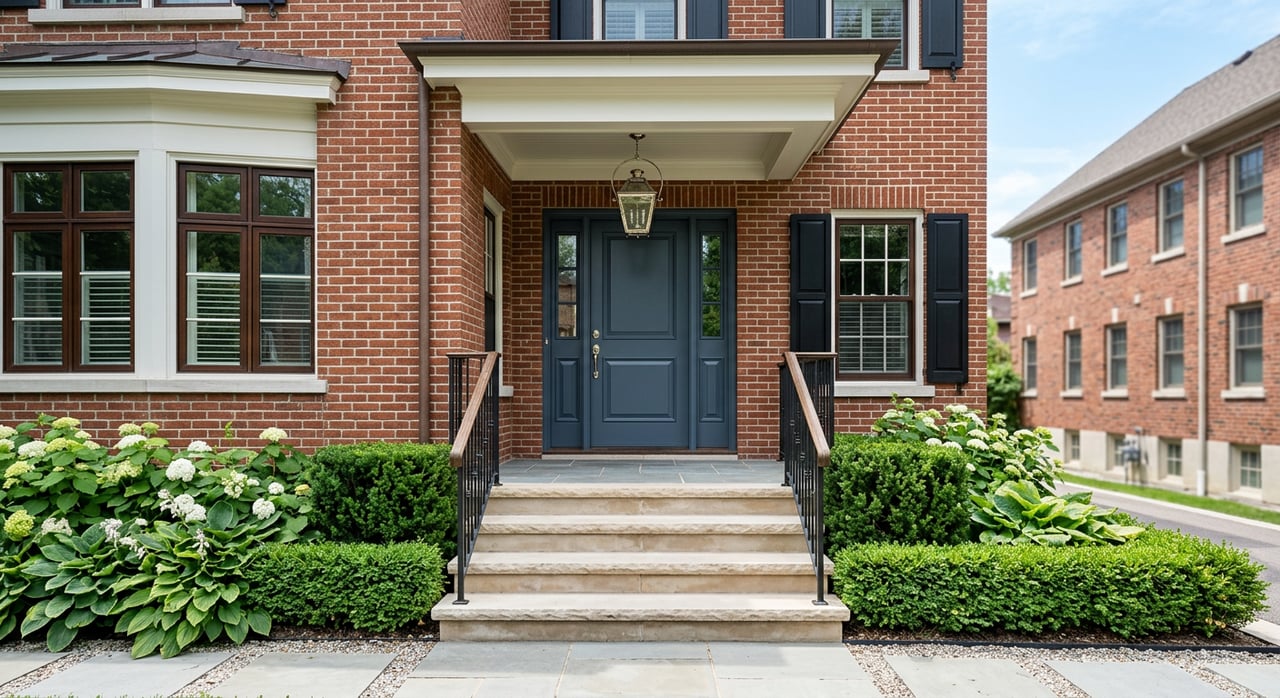
Lowry Hill sits just west of downtown Minneapolis, generally bordered by I-394 to the north; I-94/Hennepin Avenue to the east; West 22nd Street to the south; and Lake of the Isles Parkway/Logan/Morgan avenues to the west. The area blends late-19th and early-20th century mansions and rowhouses with mid-century and later condo buildings, especially near Hennepin Avenue and Uptown. Parts of the neighborhood fall within locally designated historic districts, which add architectural continuity and guide exterior changes through city review. You can explore the district background in the City of Minneapolis’ historic district resources and the Lowry Hill Neighborhood Association overview.
Walkability and access to parks and culture are key draws. You’re close to the Walker Art Center, Minneapolis Sculpture Garden, and the Chain of Lakes. Many condo buyers choose Lowry Hill for a “walk-and-lock” lifestyle near restaurants and green space.
What you’ll see on the market
Single-family homes
Expect substantial historic homes along streets like Mount Curve and Knox, often built before 1920 in styles such as Colonial Revival, Georgian, Renaissance Revival, and Queen Anne. Many have been thoughtfully updated while preserving original character. Larger historic properties can sell well into seven figures depending on size, condition, and location. Private yards and driveways are common, with off-street parking a valuable perk in a denser, in-demand neighborhood.
Condos and townhomes
You’ll find a wide mix: historic condo conversions and brownstones, low-rise walk-ups, mid-rise buildings around Hennepin/Franklin/Douglas, and some townhome-style communities. Floor plans range from compact studios and one-bedrooms to spacious two-bedrooms and penthouses. HOA dues vary by building scale, amenities, and inclusions.
House vs. condo: day-to-day living
Maintenance and responsibilities
- House: You handle it all, inside and out. In a historic neighborhood, that can include higher periodic costs for items like roofing, windows, masonry, and exterior woodwork. Budget a reserve for capital projects and consider contractor logistics, especially during winter. For a practical overview of how maintenance differs by property type, see this condo vs house guide.
- Condo/townhome: You typically maintain the interior of your unit, while the association handles common elements such as the roof, exterior walls, shared mechanicals, landscaping, and snow removal as outlined in the declaration. Monthly HOA dues fund operations, master insurance, and reserves. If reserves are underfunded, associations can levy special assessments. Minnesota’s Common Interest law outlines how associations manage and collect assessments; review your HOA’s financials and policies carefully. You can read the statute’s assessment and lien provisions in Minnesota Chapter 515B.3-116 and use these reserve study best-practice notes as a reference when evaluating building health.
Monthly costs: taxes, insurance, and HOA dues
- Property taxes: Lowry Hill is in Hennepin County. Effective rates often fall around 1.1 to 1.3 percent of market value in public summaries, but your tax bill depends on assessed value, homestead status, and current levies. Look up parcel-specific information on the Hennepin County property tax page.
- Insurance: Condo owners generally carry an HO-6 policy that covers interior finishes and personal property while the HOA’s master policy covers the structure and common elements. Detached homeowners usually carry HO-3 policies that insure the full structure. Condo premiums are often lower, though HOA dues can offset those savings by covering exterior maintenance and shared utilities. For a straightforward overview, see this condo vs house insurance comparison.
- HOA dues: In recent Lowry Hill listing examples, dues have ranged roughly from $249/month to $893/month, depending on building size, amenities, and inclusions (for example, heat, water, master insurance, parking, and reserves). Dues are recurring and tend to adjust over time, so review the budget, reserves, and planned projects to understand future obligations.
Outdoor space and privacy
- House: You’ll usually have a private yard for gardening, pets, or outdoor entertaining. In a city neighborhood, lot sizes vary, but private green space and off-street parking are common benefits.
- Condo/townhome: Expect a balcony, terrace, or patio in many units, plus shared courtyards or rooftop decks in some buildings. If yard access is a priority, look for a single-family home or a townhome that grants defined yard rights in the association declaration.
Parking and winter operations
- Parking: Many condos in Lowry Hill include assigned or heated underground parking. Some rely on surface lots or street parking. Single-family homes often include garages or driveways, with street parking for guests. Confirm how many stalls are deeded or assigned to the unit you’re considering.
- Snow emergencies: Minneapolis uses a Day 1/Day 2/Day 3 rotation during snow emergencies, with signage and towing enforcement. If you commute or have multiple cars, plan ahead for winter rules and ask sellers about typical impacts on their block. Review the city’s snow emergency guide before you buy.
Resale and financing factors
- Association health matters for condos. Low reserves, high rental percentages, or pending special assessments can shrink the buyer pool and lengthen days on market. FHA or GSE project approval and owner-occupancy ratios can affect who can finance in a building. Industry updates in 2024–25 eased some hurdles, but you should still confirm a project’s certification history. Here’s a practical overview of recent FHA condo guideline changes.
- Single-family scarcity and historic review. Larger Lowry Hill homes are not abundant, and their lot and house sizes often draw strong interest. If you plan exterior changes, check whether a property is in a designated district and whether design review applies. Start with the city’s Lowry Hill historic district page.
Current price snapshot
Neighborhood medians vary by data source and timing. As an example, Homes.com reported an overall Lowry Hill median of about $552,500 in a Feb–Mar 2026 snapshot, while other aggregators showed different medians based on their samples. Use these as conversation starters, not fixed numbers. For decisions, pull current comparable sales from the local MLS and note the data date.
Quick decision checklist for Lowry Hill buyers
Use this to focus your search and due diligence.
If you’re considering condos or townhomes
- Request and review the HOA’s budget, balance sheet, and last 2–3 years of financials, plus the most recent reserve study and any planned capital projects or pending special assessments. Reference Minnesota reserve study guidance as a baseline for healthy reserves.
- Read the last 12 months of HOA meeting minutes and confirm owner-occupancy and rental percentages. If you may use FHA or certain conventional loans, project ratios and certification status can affect financing. See this summary of FHA condo guidelines.
- Confirm what the HOA’s master insurance covers and what your HO-6 policy must insure inside the unit. This condo vs house overview can help you frame questions.
- Verify parking and storage: how many stalls are deeded or assigned, and whether a storage locker conveys with the unit.
- Ask for required disclosures under Minnesota’s common interest statutes and review the association’s lien and delinquency policy. The assessment and lien process appears in Minnesota 515B.3-116.
If you’re considering single-family houses
- Inspect major systems: roof, foundation, mechanicals, electrical, and plumbing. Ask about recent capital work and warranties.
- For pre-1978 homes, review lead-based paint disclosures and follow safe renovation practices. Learn more in the EPA’s lead safety guidance.
- Check whether the property lies in a historic district and whether exterior changes require design review. Start with the city’s historic district information.
- Confirm off-street parking or garage capacity and plan for snow removal on private drives and walks. Review the city’s snow emergency guidance.
For both property types
- Pull recent comparable sales from the MLS and note the date and data vendor in your analysis. Check the property’s tax history and parcel data through Hennepin County property taxes.
- If you’re financing, confirm that the property and (for condos) the association meet your lender’s documentation and project-approval requirements. Use the FHA condo guideline summary as a quick reference.
Which option fits you?
Choose a house if you want:
- Private outdoor space, more control over exterior design, and room for hobbies or pets.
- Fewer rules than an association and the freedom to plan projects on your schedule.
- A long-term hold where you’re comfortable budgeting for periodic capital work.
Choose a condo or townhome if you want:
- Lower day-to-day maintenance, professional snow removal, and potentially lower insurance premiums (HO-6 vs HO-3).
- A walkable, “lock-and-leave” lifestyle close to dining, culture, and parks.
- A predictable monthly budget that includes common-area costs through HOA dues.
When you’re ready to compare specific homes or buildings, ask for an up-to-the-minute MLS report for Lowry Hill with the data date clearly noted. If you’d like help weighing HOA documents, historic review, winter parking, and long-term costs side by side, we’re here to guide you every step of the way. Connect with George L Massad for local recommendations and a tailored plan for your move.
FAQs
What are the main maintenance differences between a Lowry Hill house and a condo?
- A house puts all exterior and interior maintenance on you, while a condo splits duties: the HOA handles common elements and exteriors per the declaration, and you maintain your unit interior.
How much are typical HOA dues for Lowry Hill condos?
- Recent listing examples showed a range roughly from $249 to $893 per month depending on amenities and inclusions; always review the HOA budget, reserves, and planned projects.
Do Minneapolis snow emergencies affect parking for condos and houses?
- Yes. The city uses a rotating snow-emergency plan that affects street parking; check assigned or deeded stalls for condos and consider garage/driveway capacity for houses.
How do historic districts impact Lowry Hill homeowners?
- If a property is in a designated district, some exterior changes require city review; confirm status before planning projects using the city’s historic district resources.
What should I review in a condo’s HOA documents before buying?
- Examine financials and reserves, meeting minutes, special-assessment history, insurance coverage, owner-occupancy and rental ratios, and parking/storage assignments to gauge building health.