Trying to decide between classic neighborhood charm and high-energy city living? If you are choosing between Lowry Hill and Downtown East in Minneapolis, you are not alone. Each area offers a distinct lifestyle, housing mix, and daily rhythm. In this guide, you will see how they compare on homes and prices, walkability and transit, amenities, and what daily life really feels like. Let’s dive in.
Lowry Hill vs Downtown East at a glance
Lowry Hill sits just west of downtown on a hilltop with historic homes, tree-lined streets, and quick access to the Walker Art Center and Minneapolis Sculpture Garden. It is widely described as an upscale, primarily residential area with a long-established character. For a helpful overview of the neighborhood’s setting and history, see the profile on Lowry Hill and the community voice from the Lowry Hill Neighborhood Association.
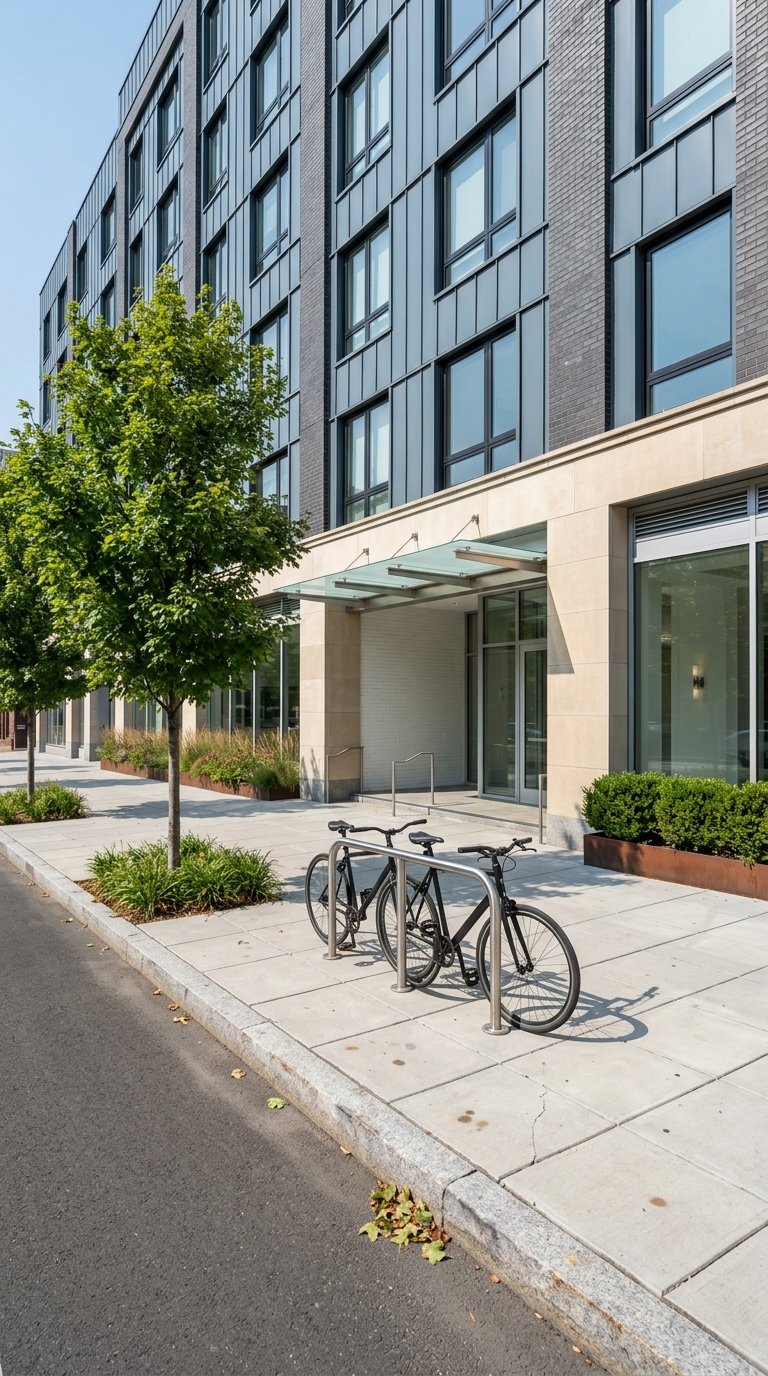
Downtown East, sometimes referred to as East Town or the Mill District within it, sits along the Mississippi River just east of the downtown core. It is a dense, mixed-use district with high-rise condos, loft conversions, and major cultural anchors like the Guthrie Theater and Mill City Museum. You will find more event-driven energy here than in Lowry Hill. Learn more in the neighborhood snapshot for Downtown East and the area page from the Downtown Minneapolis Neighborhood Association.
Homes and pricing signals
Lowry Hill housing
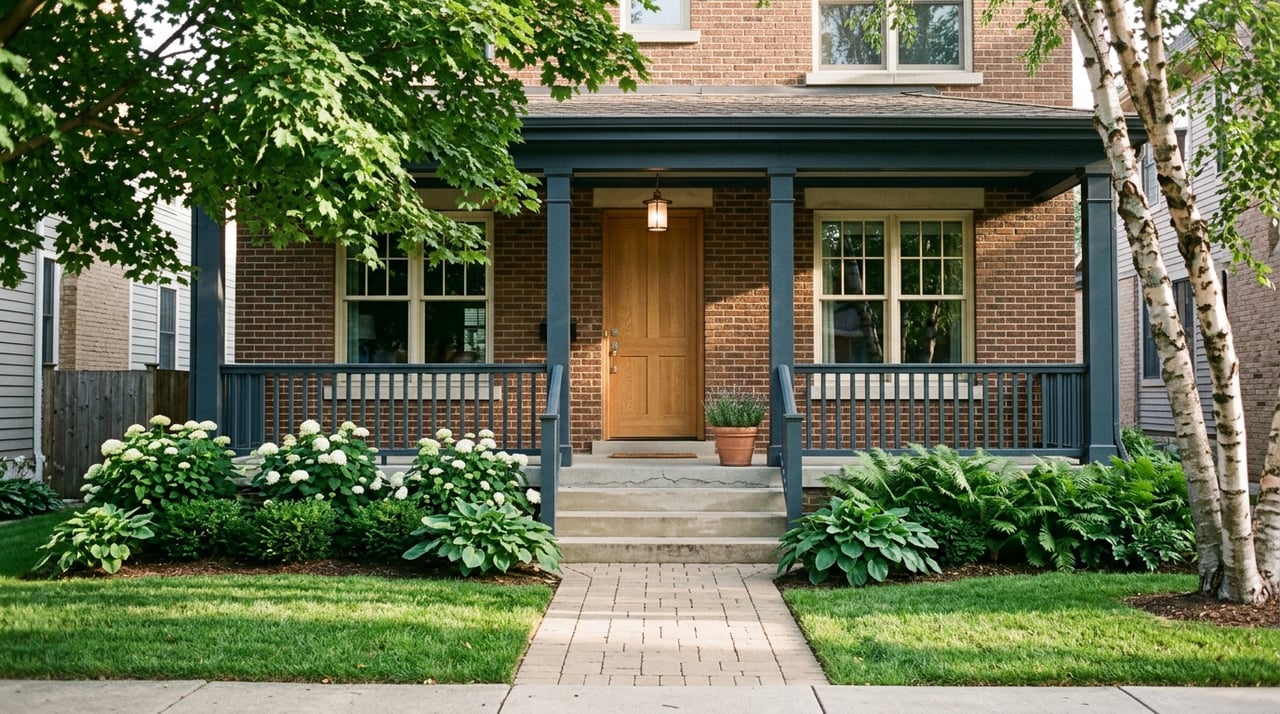
Lowry Hill’s housing stock features large, architecturally distinct single-family homes from the turn of the 20th century, including Victorian, Colonial Revival, Prairie, and Tudor styles. Some properties have been converted to multi-unit condos, and there are small pockets of newer infill, but the overall feel is historic and residential. That variety creates a wide price spectrum.
Recent snapshots illustrate why neighborhood medians can diverge. In Jan 2026, one provider reported a median sale price near $525,000 for Lowry Hill. A different metric that tracks typical value listed about $386,600 through Dec 2025. Listing medians in late 2025 showed higher figures for certain zip slices. The takeaway is simple. Entry-level condos and small units can appear in the mid $300k to $500k band, while intact historic single-family homes often list much higher. Well-located trophy homes and full restorations can reach into the $750k to $2M plus range depending on block and lot. Small monthly sales counts make medians jumpy, so confirm current numbers before you write an offer.
Downtown East housing
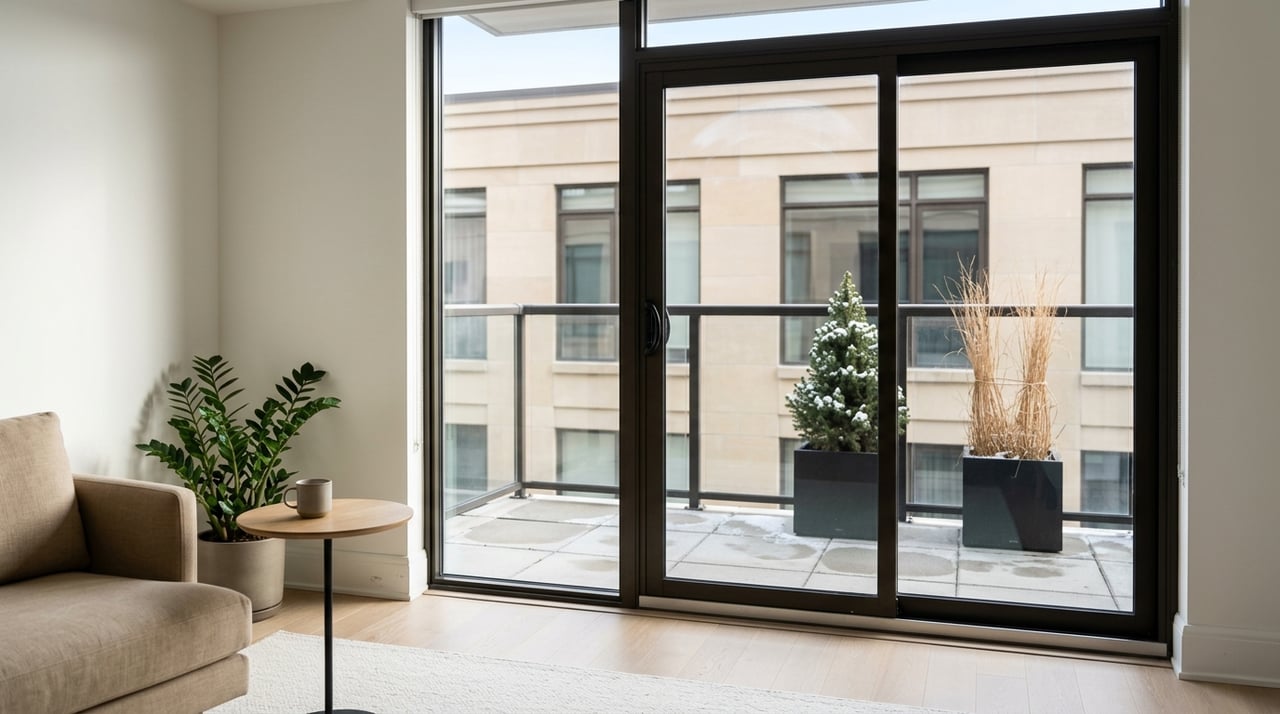
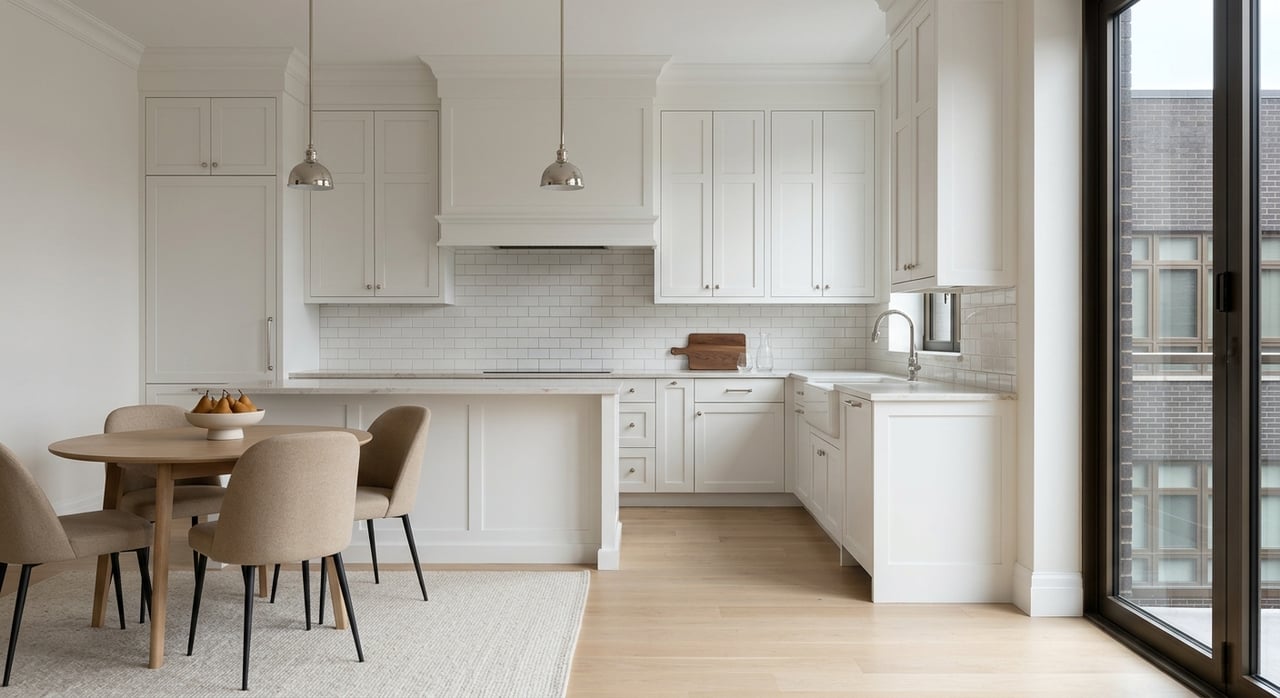
Downtown East skews toward condominiums and lofts. You will find luxury high-rise towers, boutique mid-rises, and dramatic loft conversions in former mill buildings along the river. Much of the inventory is newer, with substantial building activity since 2010.
Recent data points place Downtown East’s condo market at a higher median than many Minneapolis neighborhoods. A Dec 2025 snapshot showed a median sale price around $825,000. Typical values often land in the mid $600k to $800k range, and premium penthouses and riverfront residences can trade in the multi-million-dollar tier. As with any urban condo market, building, floor height, view, and amenities are the price drivers to watch.
Walkability and commute reality
Downtown East mobility
If you want to step out your door and walk to daily needs, Downtown East is built for it. The neighborhood earns a Walk Score around 91, which qualifies as a walker’s paradise. You also get exceptional transit access. The U.S. Bank Stadium light rail station serves both the METRO Blue and Green lines, with frequent service to the airport, downtown jobs, and St. Paul. Event days often come with increased frequency. Explore service details on the Metro Transit U.S. Bank Stadium station page and neighborhood-level walkability on Walk Score for Downtown East.
Lowry Hill mobility
Lowry Hill offers very good bike and park access, quick drives to downtown, and solid bus coverage on key corridors. It is not a rail hub, which matters if you prefer to commute without a car. Neighborhood Walk Score pages vary by block, but one Lowry Hill page shows a Walk Score around 76. Small shifts in address can change your walk and transit options, so check the exact address you are considering. See Walk Score for Lowry Hill and the city’s Hennepin and Dunwoody bikeway improvements for connectivity near Lowry Hill.
Daily rhythm, noise, and events
Downtown East energy curve
Downtown East hosts U.S. Bank Stadium along with major cultural venues. On event days, you can expect heavy foot traffic, more late-evening activity, and occasional street closures with elevated parking demand. Schedules and planning tips are posted by the stadium. If you love the buzz of game days and concerts, this can be a feature. If you prefer calm nights, it is a factor to weigh. Review the stadium’s guidance on Vikings game days and planning.
Lowry Hill’s quieter evenings
Lowry Hill trends quieter at night and is dominated by residential streets and green space. Daytime activity often clusters around the Walker Art Center and the Minneapolis Sculpture Garden, which attract visitors without the same late-night, high-volume surge you see around stadium events. Explore the garden’s highlights via the Minneapolis Sculpture Garden page and learn more about neighborhood identity from the Lowry Hill Neighborhood Association.
Tip: Preview any target block during your real-life hours, such as a weekday commute time and a weekend evening. Schedules and crowds can change the feel of a place.
Amenities and culture
- Lowry Hill highlights: quick access to the Walker Art Center area, the Minneapolis Sculpture Garden, and the Chain of Lakes. The vibe leans arts-forward, outdoorsy, and residential.
- Downtown East highlights: the Guthrie Theater, Mill City Museum, riverfront trails and the Stone Arch Bridge area, plus a growing lineup of restaurants, hotels, and neighborhood retail. The DMNA neighborhood overview offers helpful context.
Schools and household considerations
- Lowry Hill often attracts buyers who want historic single-family homes, park proximity, and lot space. Nearby school pathways are a common part of the decision process. Always verify Minneapolis Public Schools boundary maps for your exact address before you decide.
- Downtown East’s resident profile skews toward adults and professionals. Families who consider downtown usually weigh school assignment and busing options along with building amenities and river access.
Use neutral criteria as you compare. Look at commute needs, building or lot type, access to parks and trails, and your preferred evening scene.
Three quick questions to choose faster
Ask yourself:
- Do you want to walk to work most days?
- Yes: Downtown East is more likely to fit thanks to the light rail and a Walk Score near 91.
- No or hybrid: Lowry Hill may suit you with bikeable routes and quick drives.
- Do you prefer a condo with amenities or a house with a yard?
- Condo and skyline or river views: Downtown East offers high-rise towers and lofts with newer amenities.
- Single-family character and green space: Lowry Hill has historic homes on quieter streets.
- Are event-night crowds a plus or a pause?
- Love the energy: Downtown East puts you close to major events.
- Prefer calm: Lowry Hill trends quieter in the evenings.
Commute tips and address-level checks
- Use Walk Score for the exact address you are considering rather than relying on a neighborhood average. A few blocks can change your walk, bike, and bus options. Check Downtown East or Lowry Hill and then drill down to the specific property.
- If you plan to use rail, confirm your route options and frequency at the U.S. Bank Stadium station page. Event days can affect timing in your favor with more trains, but parking and traffic may tighten.
- Preview the neighborhood when you would actually use it. For Downtown East, checking the stadium’s event guidance can help you gauge how game days feel.
Market notes and how to interpret price data
Neighborhood-level medians can vary by data source because of boundary definitions, whether the metric tracks closed sales or active listings, and small monthly sample sizes. For Lowry Hill, recent snapshots ranged from a typical value near the high $300ks to a median sale around the low to mid $500ks. For Downtown East, recent medians landed around the low $800ks, with many transactions in the mid $600k to $800k band and premium units above that. The best next step is to confirm live pricing for your target building or block and then adjust for view, renovation level, outdoor space, and parking.
The bottom line
- Choose Downtown East if you want a walk-first lifestyle, light rail at your doorstep, cultural venues within a few blocks, and newer condo or loft living. Expect more energy on event days and a higher median condo price range.
- Choose Lowry Hill if you value historic single-family homes, tree-lined streets, and proximity to parks and lakes, with solid bike access and quieter evenings. Expect a wider price range that stretches from modest condo options to high-end historic homes.
When you are ready to compare actual listings, preview streets at different times, and size up building or lot trade-offs, connect with a local team that knows both neighborhoods. Reach out to George L Massad for a clear, personal plan to find your fit.
FAQs
What is the main difference between Lowry Hill and Downtown East?
- Lowry Hill is a historic, mostly residential neighborhood with single-family homes and park access, while Downtown East is a dense urban district with condos, lofts, strong transit, and an event-driven rhythm.
How walkable is Downtown East compared to Lowry Hill?
- Downtown East posts a Walk Score around 91 and includes a light rail hub, while Lowry Hill’s walkability varies by block and trends lower, with strong bike access and short drives to downtown.
What price ranges should I expect in each neighborhood?
- Lowry Hill ranges from mid $300k to $500k for some condo options to $750k to $2M plus for high-end historic homes, while Downtown East condos often cluster in the mid $600k to $800k range with premium units higher.
How do events affect living in Downtown East?
- Stadium and cultural events bring more foot traffic, later-night activity, and occasional street closures. Check the stadium’s event guidance to anticipate timing and transit options.
Is Lowry Hill quieter at night than Downtown East?
- Generally yes. Lowry Hill is dominated by residential streets and parks, while Downtown East sees more evening activity tied to events and downtown nightlife. Always preview at your typical hours.
Where can I find reliable local insights before I buy?
- Use address-level Walk Score checks, review Metro Transit routes, scan stadium schedules, and talk with a local agent who knows both areas. Community pages like the DMNA and Lowry Hill Neighborhood Association also add helpful context.