If you price your Lowry Hill home like it is just another Minneapolis listing, you could miss the market from day one. That can be frustrating when you know your home has real character, updates, and a location buyers want. The good news is that a smart pricing strategy can help you attract serious interest, reduce time on market, and protect your final sale price. Let’s dive in.
Why Lowry Hill pricing is different
Lowry Hill is not a one-price neighborhood. Recent market data shows a wide spread, from lower-priced condos to multi-million-dollar single-family homes, which means broad averages can be misleading.
That matters because buyers are not comparing every home in Lowry Hill the same way. A condo, a duplex, and a historic single-family home may all sit in the same neighborhood, but they often compete in different buyer pools and price ranges.
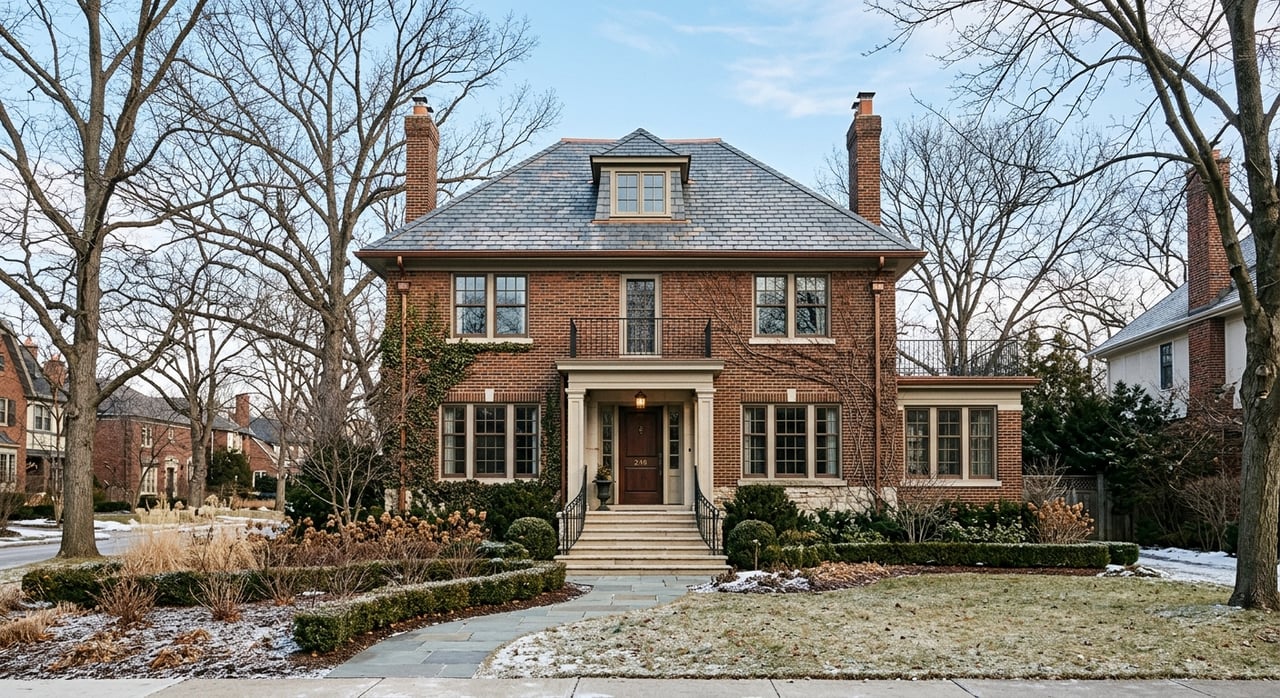
The neighborhood also includes several designated landmarks identified by the City of Minneapolis, including the Nott House, Long House, Webster-Deinard House, and Gluek House. Those homes reflect a mix of architectural styles such as Romanesque Revival, Tudor Revival, Queen Anne, and Georgian Revival, which means original details, exterior character, and preservation features can influence value.
Start with the right comparable sales
The most important step in pricing your home is choosing the right comps. In Lowry Hill, that means using a very tight set of recent comparable sales that match your property type, size, condition, style, and location as closely as possible.
If your home is a restored historic property, it should not be priced off a standard condo sale. If you own an updated condo, it should not be measured against a large historic house with a very different buyer profile.
A strategic valuation should account for:
- Square footage and layout
- Property type
- Condition and recent repairs
- Renovations and mechanical updates
- Architectural character
- Landmark or preservation considerations
- Garage and parking function
- Lot setting and outdoor appeal
- Recent comparable sales
- Your timeline for selling
National pricing guidance supports this kind of detailed review. Factors like size, location, amenities, condition, upgrades, market conditions, and seller timing all play a role in setting a realistic list price.
Look beyond neighborhood averages
At first glance, Lowry Hill numbers can seem confusing. Realtor.com reported an April 2026 median listing price of $875,000, 29 median days on market, and homes selling at 96% of asking price, while labeling the area a buyer’s market.
At the same time, Redfin’s March 2026 closed-sale data showed a median sale price of $360,000, median days on market of 175, and a 96.7% sale-to-list ratio. But that closed-sale figure was based on only five sales, which means the monthly median can swing sharply.
The bigger takeaway is simple: one headline number does not tell the whole story in Lowry Hill. You need to understand which segment of the neighborhood your home fits into and how buyers are responding to that specific segment right now.
Micro-location can change value
In a neighborhood like Lowry Hill, block-to-block differences matter. Two homes with similar square footage can perform very differently based on traffic exposure, lot orientation, parking convenience, and how much of the home’s appeal comes from its setting.
That is especially true in an area known for older architecture and distinct homes. Buyers often react not just to the house itself, but to the full experience of the property, including curb appeal, streetscape, landscape features, and privacy.
When you price strategically, you account for those small but meaningful details. That helps you avoid a number that looks reasonable on paper but does not match how buyers see the home in person.
Price for the market you have now
A common mistake is pricing from hope instead of current demand. The best list price is based on what buyers are seeing and choosing today, not what you want the home to be worth six months from now.
That approach is especially important in a market where buyers can be selective. In March 2026, Minnesota Realtors reported that pending sales fell 2.9% in the Twin Cities metro, average days on market were 62, and sellers received 97.6% of their asking price on average after accepting offers.
Mortgage rates were reported around 6.4% at that time, which helps explain why some buyers are moving carefully. A realistic launch price can help your home stand out early, when attention is strongest.
The first month matters most
Your early listing period gives you the clearest signal about whether the price is working. If your home is well-priced and well-presented, you should expect meaningful interest soon after launch.
Seller guidance from Realtor.com notes that the first week often brings the biggest burst of activity. By the third week, a well-priced listing may begin producing an offer, and by week four, sellers should be reevaluating photos, staging, marketing, and possibly the price if results are weak.
Online behavior matters here too. NAR reports that 52% of buyers found the home they purchased online, and nearly half started their search online. That means your first few days on the market are not just about showings. They are also about views, saves, and whether your home is reaching the right buyers in the right price bracket.
What current demand suggests in Lowry Hill
There is an encouraging signal for sellers in higher price ranges. Minneapolis Area Realtors reported in early March 2026 that while overall showings were down 2.9% year over year, showings for homes priced between $800,000 and $1 million were up 43.6%.
That matters because Lowry Hill’s reported median listing price of $875,000 sits right in that band. If your home fits that range, a strong launch with the right pricing and presentation may still attract serious attention.
Of course, that does not mean every home should aim for the top of the range. It means buyer activity exists, but you still need to earn that attention with a price that matches condition, competition, and buyer expectations.
Common pricing mistakes to avoid
In a nuanced neighborhood, small pricing errors can have a big effect. The most common mistakes usually come from using the wrong data or reacting too slowly.
Watch out for these issues:
- Mixing condos, duplexes, and single-family homes in the same comp set
- Relying too heavily on citywide averages
- Trusting automated estimates without local review
- Overlooking deferred maintenance or dated finishes
- Ignoring how landmark status or original features affect buyer perception
- Starting high with the hope that the market will catch up
- Waiting too long to adjust when feedback is consistent
Recent Lowry Hill sales show how different outcomes can be. Redfin reported one home selling around $397,000 after 49 days at 1% under list, while another sold for $2,000,000 after 228 days at 13% under list. That kind of spread shows how pricing, condition, and buyer fit can shape the final result.
How to use buyer feedback wisely
Once your home is live, feedback is data. If buyers keep saying the home feels overpriced, dated, or hard to compare to nearby listings, that is not just casual commentary. It is a signal that your pricing strategy or presentation may need to change.
The key is to act before the listing grows stale. A home that lingers too long can lose momentum, and later price cuts often feel reactive instead of strategic.
A strong seller plan usually includes regular check-ins after launch to review showing activity, online engagement, buyer comments, and competing listings. That kind of responsiveness helps you stay aligned with the market instead of chasing it.
What strategic pricing really means
Strategic pricing does not mean choosing the lowest possible number. It means selecting a list price that reflects your home’s true position in the market and supports the outcome you want.
For some sellers, that means pricing competitively to attract fast attention. For others, it may mean testing a higher number if the home has rare architecture, standout updates, or a unique location, but only when the data supports that choice.
In Lowry Hill, strategy matters because the neighborhood is so layered. Character, preservation details, condition, property type, and price band all shape how buyers respond. The more closely your price matches that reality, the better your chances of a strong launch and a confident sale.
If you are getting ready to sell in Lowry Hill, the right pricing plan starts with local context, honest analysis, and strong presentation. George L Massad can help you evaluate your home, position it thoughtfully, and bring it to market with a strategy built for today’s buyers.
FAQs
How should you price a historic home in Lowry Hill?
- You should use comparable sales that closely match the home’s style, condition, updates, and historic character, rather than relying on broad neighborhood averages.
What does Lowry Hill market data mean for sellers?
- It means you should be careful with headline median prices, because the neighborhood has a wide range of property types and a small number of monthly sales can skew the numbers.
How long does it take to sell a home in Lowry Hill?
- Timing varies by property type and price point, but current reports show that well-priced homes can gain attention quickly while overpriced homes may stay on the market much longer.
Why does micro-location matter when pricing a Lowry Hill home?
- Small location differences like traffic exposure, parking, lot orientation, and setting can change buyer perception and affect how your home compares with nearby listings.
When should you adjust the price of a Lowry Hill listing?
- If the first few weeks bring low interest or repeated feedback about price or condition, it is usually smart to review the pricing strategy quickly rather than wait for the listing to lose momentum.