If you are moving to Minneapolis, Lowry Hill tends to stand out fast. It offers a rare mix of historic character, central-city access, green space, and cultural landmarks that can be hard to find in one place. For relocation buyers trying to narrow down where to live, this neighborhood gives you a lot to consider, and a lot to appreciate. Let’s dive in.
What makes Lowry Hill different
Lowry Hill sits on the western edge of Minneapolis in Ward 7. Its neighborhood plan places it between I-394, Hennepin Avenue, 22nd Street, and Kenwood Park, which gives it a highly connected location near both downtown amenities and major park spaces.
The area also has a strong sense of identity. The neighborhood is tied to Thomas Lowry and Minneapolis’s streetcar era, and that history still shapes how the area looks and feels today. For many relocating buyers, that established character is a big part of the draw.
Historic character buyers notice right away
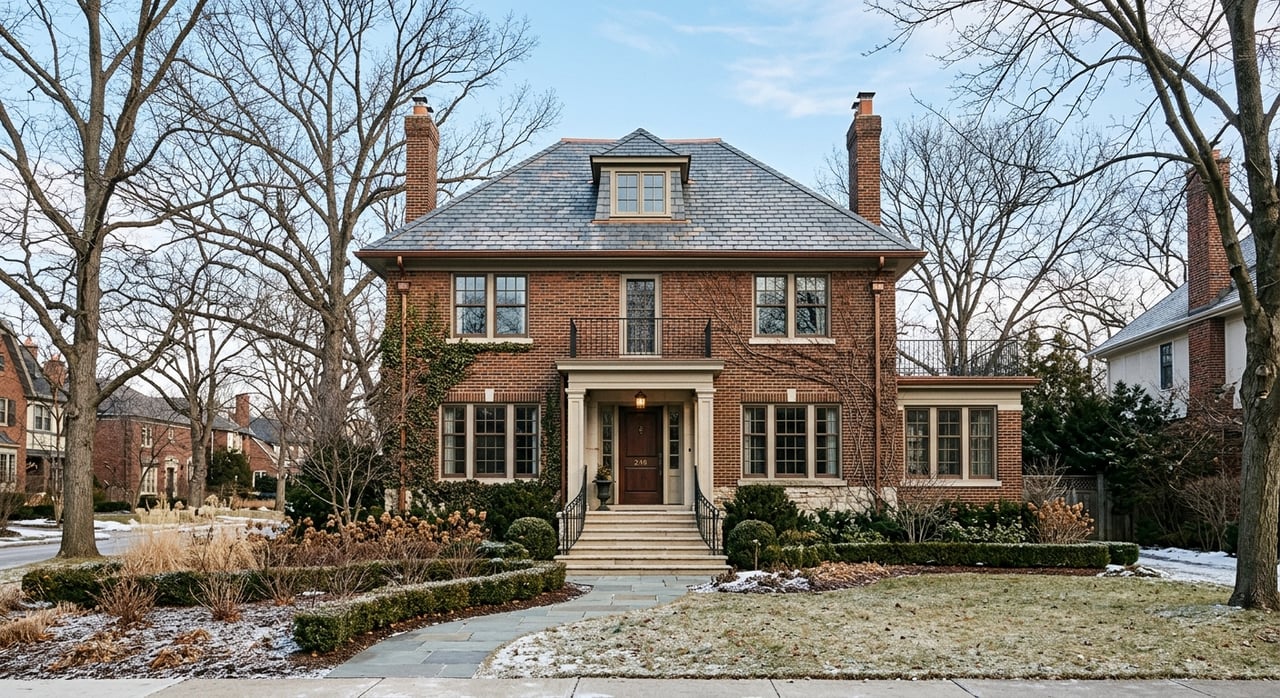
One reason Lowry Hill gets attention is its architecture. City landmark records show homes and buildings here in styles including Romanesque Revival, Classical Revival, Queen Anne, Georgian Revival, Colonial Revival, Tudor Revival, and Italian Renaissance Revival.
That range matters when you are relocating because it means the neighborhood does not feel repetitive. Instead of a one-style housing stock, you may find visually distinct homes, adapted historic properties, and residences with details that are hard to duplicate in newer areas.
A neighborhood with lasting identity
Lowry Hill is not just old. It is historically layered. The city notes that Thomas Lowry owned much of the land and built his mansion on the hill, while preserved properties like the Nott House help show how the neighborhood developed as a planned residential area.
For you as a buyer, that often translates into a neighborhood with a stronger visual identity. Streetscapes, lot settings, and building design can create a sense of place that feels more established than what you may see in more uniform areas.
Housing types are more varied than many expect
Another important point for relocation buyers is that Lowry Hill is not made up of only large historic single-family homes. Research from city landmark pages shows that some historic residences have been adapted over time, including conversions to duplex or multi-family use.
Recent inventory snapshots also show a mix of condos, townhouses, and multi-family properties. That variety can be a real advantage if you want Lowry Hill’s location and feel, but your ideal property type is not a traditional detached house.
Parks and outdoor access add daily appeal
Relocation buyers often ask a simple question: what will day-to-day life feel like here? In Lowry Hill, parks and nearby lake access are a big part of that answer.
Thomas Lowry Park is one of the neighborhood’s standout public spaces. The Minneapolis Park and Recreation Board describes it as a park with brick paths, a grape arbor, and seven cascading water pools, all in a setting close to downtown and major highways.
Close to the Chain of Lakes
Lowry Hill also benefits from access to the broader Minneapolis park network. Lake of the Isles Park is part of the Chain of Lakes Regional Park, and the park board notes pedestrian and bike trails around the lake.
Ward 7 also includes well-known park destinations such as Bde Maka Ska Park, Cedar Lake Park, Loring Park, Kenwood Park, Parade Park, and Thomas Lowry Park. For you, that means Lowry Hill can offer an urban location without giving up easy access to outdoor recreation.
Why this matters for relocation buyers
When you are moving from out of town, lifestyle clues matter. Nearby trails, lake loops, and neighborhood parks can help you picture how you will spend your mornings, evenings, and weekends.
That can be especially helpful when you do not yet know the city block by block. In Lowry Hill, the combination of park access and central location gives you more ways to settle into Minneapolis quickly.
Culture and landmarks strengthen the appeal
Lowry Hill is also close to one of Minneapolis’s most recognizable cultural corridors. The Walker Art Center describes itself as Minneapolis’s home for contemporary art and the Minneapolis Sculpture Garden, both of which are closely tied to the area.
The neighborhood plan also identifies the Walker Art Center and the Minneapolis Sculpture Garden as major anchors. For many buyers relocating from another city, that kind of landmark access can make a neighborhood feel memorable and well-positioned from the start.
A location that feels connected
The Sculpture Garden has historic ties to Lowry Hill as well. The park board says the land was donated by Thomas Lowry in 1906, with his home just up the hill.
That connection between neighborhood history and current cultural life gives Lowry Hill a distinctive feel. You are not just buying near amenities. You are buying into a part of Minneapolis with visible continuity between past and present.
Commute options matter in real life
For many relocating buyers, charm alone is not enough. You also need practical access to work, appointments, transit, and city destinations.
Lowry Hill performs well on that front. The City of Minneapolis says the Hennepin Avenue South reconstruction improved space for walking, transit, biking, and driving, while also reserving room for future METRO E Line stations.
Transit access is a real plus
Metro Transit says the E Line runs daily from 4:30 a.m. to 1 a.m. with trips every 10 to 15 minutes. It also reports that the line is expected to be up to 20 percent faster than the Route 6 service it replaced, and the map shows a Hennepin and Groveland stop nearby.
If you are moving to Minneapolis without a full feel for traffic patterns yet, strong transit access can make your transition easier. It gives you more flexibility while you learn the city and decide how you want to move through it.
Walkability supports daily convenience
Redfin gives Lowry Hill a Walk Score of 76. That fits what many buyers notice in person: a central neighborhood with access to parks, cultural destinations, and Hennepin Avenue connections.
Walkability is not just a number. For relocation buyers, it can mean easier errands, more mobility, and a smoother adjustment to a new routine.
The market requires a careful look
Lowry Hill can be appealing, but it is not a neighborhood where one average number tells the whole story. Recent market snapshots show that pricing varies significantly depending on property type and listing mix.
Realtor.com’s April 2026 summary shows a median listing price of $875,000, with 35 homes for sale and a median of 29 days on market. Redfin’s March 2026 sales snapshot shows a median sale price of $360,000 across five closed sales, with homes averaging 175 days on market.
Why averages can be misleading
Those numbers are not necessarily contradictory. They reflect a neighborhood with a wide mix of housing, including historic homes, condos, townhouses, and multi-family properties.
For you, the takeaway is simple: Lowry Hill is not uniform. A condo, an updated attached home, and a large historic residence may all sit under the same neighborhood label while behaving very differently in the market.
Inventory mix shapes the search
Recent listing snapshots also show 13 condos, 2 townhouses, and 3 multi-family units among available properties. That kind of mix can be helpful for relocation buyers because it opens up more entry points into the neighborhood.
At the same time, it means your search should stay focused on comparable properties, not broad neighborhood averages alone. In Lowry Hill, details matter.
Why relocating buyers often feel confident here
Lowry Hill checks several boxes at once. It offers historic architecture, notable parks, lake access, cultural landmarks, transit options, and a central Minneapolis location.
Just as important, it gives you choices. Whether you are looking for a condo, townhouse, multi-family property, or a home with historic character, Lowry Hill can support different buying goals within one recognizable neighborhood.
How to shop Lowry Hill wisely
Because the housing stock is varied and monthly sales can be limited, relocation buyers usually benefit from a property-specific process here. A quick scan of neighborhood stats is rarely enough.
A stronger approach often includes:
- Virtual tours to narrow options before traveling
- Detailed photo review to assess condition and finishes
- Live MLS comparison work by property type
- Fast follow-up when the right listing appears
- Close attention to architecture, updates, and lot setting
That kind of search process can help you make cleaner decisions from out of area. It is also one of the best ways to understand whether a specific Lowry Hill property truly fits your goals.
If you are planning a move to Minneapolis and want help evaluating neighborhoods with both lifestyle appeal and market nuance, George L Massad can help you compare options, tour homes efficiently, and move forward with confidence.
FAQs
Why do relocating buyers consider Lowry Hill in Minneapolis?
- Lowry Hill often appeals to relocating buyers because it combines historic architecture, central-city access, nearby parks and lakes, cultural landmarks, and practical transit connections.
What types of homes can you find in Lowry Hill?
- Lowry Hill includes a mix of historic single-family homes, adapted properties, condos, townhouses, and multi-family residences.
How walkable is Lowry Hill for new Minneapolis residents?
- Redfin gives Lowry Hill a Walk Score of 76, which reflects its central location and access to parks, cultural destinations, and Hennepin Avenue amenities.
What parks and outdoor spaces are near Lowry Hill?
- Lowry Hill is close to Thomas Lowry Park and has access to the broader Minneapolis park network, including Lake of the Isles Park, Bde Maka Ska Park, Cedar Lake Park, Kenwood Park, Loring Park, and Parade Park.
What should relocation buyers know about Lowry Hill home prices?
- Broad price averages can be misleading in Lowry Hill because the neighborhood has a varied housing stock, so it is usually best to compare similar property types rather than rely on one overall number.
Is Lowry Hill a uniform neighborhood for homebuyers?
- No, Lowry Hill is not uniform. It includes different housing types, architectural styles, and property conditions, which makes a detailed, property-by-property search especially important.