Wondering whether a condo in Downtown East is actually a smart investment, or just a flashy downtown address with a big price tag? If you are weighing lifestyle, rental potential, and long-term value, that is a fair question. The good news is that Downtown East offers a strong case for the right buyer, especially if you care about location quality, transit access, and long-term appeal. Let’s dive in.
Downtown East at a Glance
Downtown East stands out because it offers more than a typical business-district setting. The area is closely tied to East Town and the Mill District, with major destinations like the Guthrie Theater, Mill City Museum, Gold Medal Park, The Commons, U.S. Bank Stadium, and the Stone Arch Bridge corridor all shaping daily life and visitor traffic.
That mix matters when you are thinking like a buyer or investor. A neighborhood that supports living, dining, events, and outdoor time often has stronger staying power than an area built mainly around office demand. According to Meet Minneapolis' Downtown East and Mill District guide, this part of downtown blends culture, housing, and public spaces in a way that gives it a more established residential feel.
Why Location Supports Condo Demand
Location is one of Downtown East’s biggest advantages. The neighborhood offers strong walkability, excellent transit access, and a built-in stream of activity from parks, museums, entertainment, and stadium events.
For day-to-day livability, amenities help support buyer and renter interest. The Commons adds 4.2 acres of park space in the downtown core, while Gold Medal Park and the Mill City area give residents easy access to riverfront recreation and seasonal markets. These are the kinds of features that can strengthen resale appeal because they are useful beyond special-event weekends.
Transit is another plus. Metro Transit’s U.S. Bank Stadium station page notes that the station sits in the center of East Town, and the Blue and Green lines share five downtown Minneapolis stations. Apartments.com also rates Downtown East at 90 for walkability and 100 for transit, which is a strong profile if you value convenience now or rental appeal later.
Rental Demand Looks Solid
If part of your plan is to rent out the condo now or in the future, Downtown East has several demand drivers working in its favor. Downtown Minneapolis has continued to grow its residential base, which supports year-round housing demand rather than just weekday office traffic.
In the 2025 State of the City address, Minneapolis reported that downtown residential population surpassed 60,000 for the first time. The same speech noted that nearly 70% of downtown workers were back at least once a week, and downtown also serves 13,000 higher-education students. That gives the area a broader renter pool that can include professionals, students, relocation clients, and people who want an urban lifestyle close to transit and amenities.
Downtown East also benefits from event-driven traffic. U.S. Bank Stadium, the Guthrie, the nearby riverfront, and surrounding attractions help keep the area active on evenings and weekends. That does not automatically guarantee rent growth, but it does support the neighborhood’s visibility and overall appeal.
Rent Levels Show a Premium Market
Current rent data shows that Downtown East commands above-average pricing within Minneapolis. As of April 2026, Apartments.com reports average rents of:
- $1,492 for a studio
- $2,023 for a one-bedroom
- $3,106 for a two-bedroom
- $4,996 for a three-bedroom
Those figures place the neighborhood above the citywide Minneapolis averages for one- and two-bedroom units. That is a positive sign if you are looking at tenant appeal, but it also reinforces the idea that this is not a bargain market. You are generally buying into a premium location, and the numbers need to work at that higher entry point.
The Bigger Tradeoff: High Prices
This is where the investment case becomes more nuanced. Downtown East can be attractive, but it is already priced like a desirable downtown submarket.
According to the City of Minneapolis condominium median values by neighborhood summary, Downtown East posted a median condo estimated market value of $521,000. That is notably higher than North Loop at $364,000, Nicollet Island/East Bank at $397,000, Elliot Park at $306,000, and Downtown West at $227,000.
The broader sales market shows a similar pattern. The 2024 Annual Housing Report for the Minneapolis area shows Downtown East with a median neighborhood sale price of $625,000. That was down 3.8% from 2023, but still up 5.9% from 2020, which suggests values have held up over a longer window even with some year-to-year softness.
What That Means for Investors
In simple terms, Downtown East usually looks better as a premium long-term hold than as a high-cash-flow play. Higher purchase prices often mean tighter monthly margins, especially once you factor in taxes, insurance, financing, and HOA dues.
That does not make it a bad investment. It simply means your strategy matters. If your goal is strong location quality, long-term appreciation potential, and a condo that should remain appealing to future buyers or renters, Downtown East may fit well. If your top priority is immediate monthly cash flow or the lowest possible acquisition cost, other neighborhoods may offer a better match.
Condo Amenities Can Help, But Costs Matter
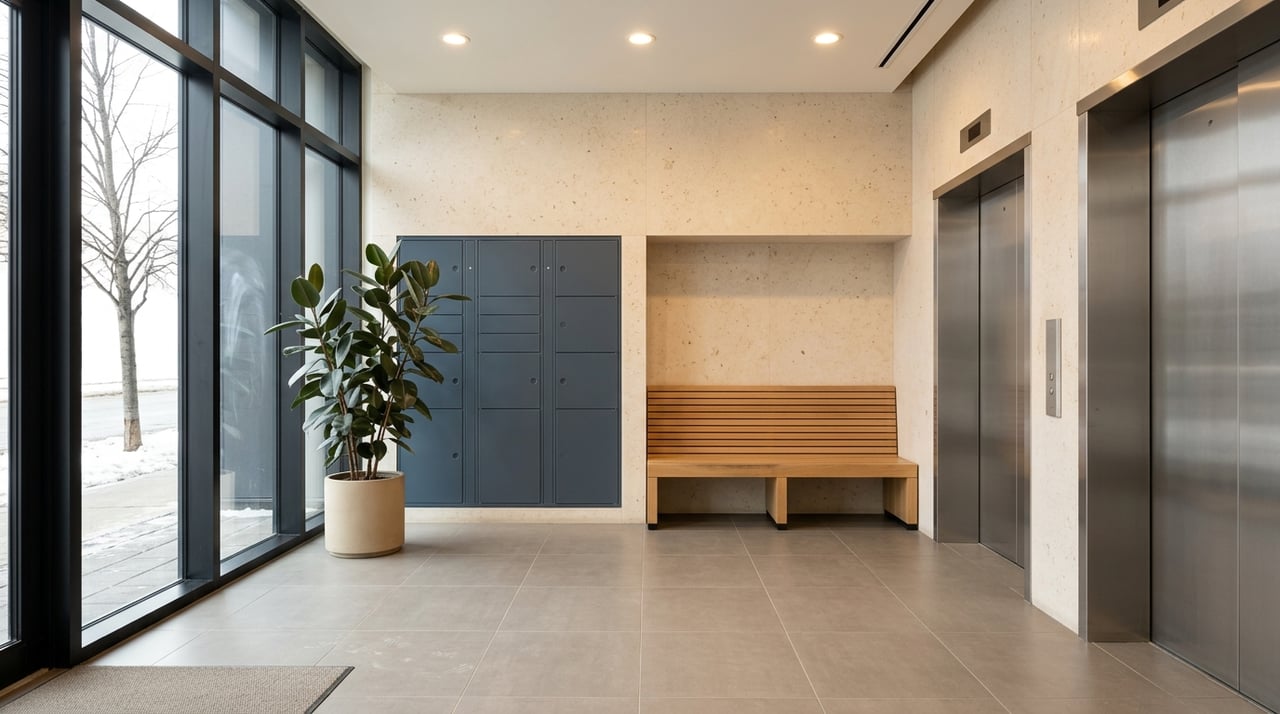
One reason Downtown East continues to attract attention is the type of condo product you can find there. Local coverage from Axios Twin Cities highlighted high-end amenities in downtown properties, including features like indoor pools, fitness spaces, rooftop decks, secured access, bike storage, and parking.
Those amenities can support stronger tenant and resale interest. At the same time, they often come with higher HOA dues and building operating costs. Before you buy, it is worth reviewing the full monthly carrying cost, not just the mortgage payment, so you can see whether the condo still fits your investment goals.
Supply and City Investment Matter Too
Another factor to watch is downtown housing supply. Minneapolis has been working to build a more active 24-hour downtown, and the city has taken steps to support more residential growth.
The city’s Downtown Reimagined initiative notes policy efforts including easier office-to-residential conversion. Downtown reporting also referenced more than 1,600 new owned and rental units opening in 2021, with more than 1,500 additional units under construction at that time. More housing can strengthen neighborhood vitality, though it may also help limit extreme price spikes by adding supply.
Public investment is another positive sign. The city’s Downtown East green infrastructure project improved bike and pedestrian facilities while adding stormwater infrastructure. Projects like this do not guarantee future appreciation, but they do show continued public attention to the area’s long-term functionality and appeal.
Lifestyle Fit Matters in Downtown East
Not every smart investment looks the same on paper. In Downtown East, lifestyle fit is part of the investment story.
This is a lively urban neighborhood, not a quiet, low-activity setting. Apartments.com gives it a quiet score of 40, which reflects the reality of stadium events, downtown movement, and city noise. For the right buyer, that energy is part of the appeal. For someone looking for a quieter environment, it may feel like a mismatch.
That is why Downtown East often makes the most sense for:
- Owner-occupants who want to enjoy the location now and keep rental flexibility later
- Relocation buyers who value transit, amenities, and central access
- Small-scale investors who prioritize neighborhood quality and resale liquidity
- Long-term holders who want a premium urban asset instead of a bargain purchase
So, Is a Downtown East Condo a Smart Investment?
Yes, it can be, but usually for a specific kind of buyer. Downtown East looks strongest if you want a premium urban location with strong transit access, steady lifestyle demand, and long-term appeal. It is generally less compelling if you are searching for a low-cost entry point or a property built purely for high immediate cash flow.
If you are considering a condo in Downtown East, the smartest next step is to evaluate the specific building, HOA structure, monthly carrying costs, and your timeline. A great neighborhood can still be the wrong investment if the unit or numbers do not fit your plan.
If you want help comparing Downtown East condos, evaluating long-term resale potential, or finding a property that fits your goals in Minneapolis, connect with George L Massad. You will get straightforward guidance, local insight, and a relationship-first approach that helps you move forward with confidence.
FAQs
Is a Downtown East condo in Minneapolis better for cash flow or long-term appreciation?
- Downtown East generally looks stronger as a long-term hold than a high-cash-flow investment because condo prices are already relatively high for the area.
Are condo prices in Downtown East Minneapolis high compared with other neighborhoods?
- Yes. The City of Minneapolis reported a median condo estimated market value of $521,000 in Downtown East, which is higher than several other Minneapolis neighborhoods listed in the same summary.
Does Downtown East Minneapolis have strong rental demand for condos?
- Downtown East benefits from a growing downtown residential population, nearby workers, students, transit access, and year-round event activity, all of which support renter demand.
What makes Downtown East Minneapolis attractive to condo buyers?
- The neighborhood offers strong walkability, excellent transit access, parks, riverfront amenities, cultural attractions, and a more established live-work-play feel than many downtown areas.
Is Downtown East Minneapolis a quiet place to own a condo?
- Not usually. It is an active urban neighborhood with event traffic and city noise, so it tends to fit buyers who want an energetic downtown lifestyle.