Wondering whether a loft or a condo makes more sense in Downtown East? You are not alone. This part of Minneapolis offers a mix of newer residential options, entertainment, transit access, and riverfront destinations, so the right fit often comes down to how you want to live day to day. By the end of this guide, you will have a clearer way to compare layout, ownership, noise, storage, and monthly costs so you can move forward with confidence. Let’s dive in.
Why Downtown East draws buyers
Downtown East has changed from a mainly business-focused area into a neighborhood with more residential and entertainment activity. Meet Minneapolis points to the arrival of U.S. Bank Stadium, a growing supply of new condos, and the Mill City Farmers Market as part of that shift. The City of Minneapolis also frames downtown as a place it wants to support as a more active 24-hour district with more housing and services.
For buyers, that means you are looking at a neighborhood built around convenience and activity. The Blue Line and Green Line run through the area, with U.S. Bank Stadium as a central stop. You are also close to the Guthrie Theater, Mill City Museum, riverfront park space, and major event venues, which gives Downtown East a distinctly urban feel.
Loft vs. condo basics
Before you compare the two, it helps to define them clearly. A loft usually describes a layout and design style. A condo describes how the home is owned and governed.
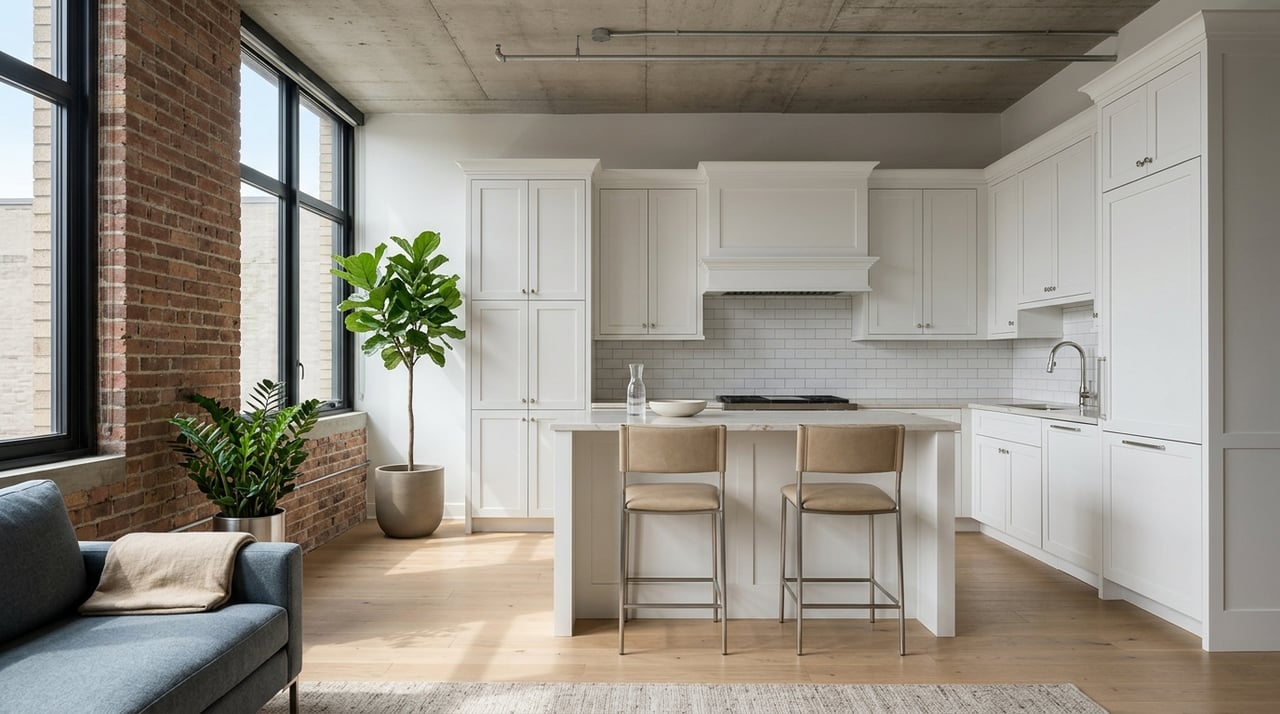
Loft-style homes are known for open space, fewer interior walls, high ceilings, large windows, and in some cases exposed brick or columns. Some lofts are older industrial conversions, often called hard lofts, while others are newer homes designed to create a similar look, often called soft lofts.
A condo, on the other hand, is an ownership structure under Minnesota law. You own your individual unit and also hold an undivided interest in the common areas and facilities. A condo association manages shared governance and common expenses, and monthly dues are typically separate from your mortgage payment.
Why the difference matters
This is where many buyers get tripped up. Loft and condo are not opposite choices. A home can be a loft-style condo, a loft-style rental, or a more traditional condo with a standard floor plan.
That means your decision is really about two things at once. First, do you want an open loft-style living space or a more conventional layout? Second, are you comfortable with condo ownership and the responsibilities that come with an association?
What loft living feels like
If you love open rooms, natural light, and a home that feels a little more architectural, loft living may stand out right away. Loft-style spaces often feel bright and airy because of their tall ceilings and larger windows. They also give you flexibility to create zones for work, dining, relaxing, or entertaining without many walls breaking things up.
That same openness can create tradeoffs. Lofts may offer less dedicated storage, less privacy, and in some cases higher heating and cooling costs. If you prefer clearly separated bedrooms and a more traditional room-by-room layout, a loft may feel less practical over time.
Hard loft vs. soft loft
This is an important question in Downtown East. Hard lofts are usually older industrial conversions, while soft lofts are newer buildings that borrow loft design features. That difference can affect how the home feels and performs.
Hard lofts may offer more character, but they can also be draftier or less insulated. Soft lofts often include built-in storage, modern finishes, stronger sound absorption, and amenities such as gyms or rooftop patios. If you are comparing options, ask which type of loft you are touring so you understand what comes with the style.
What condo living adds
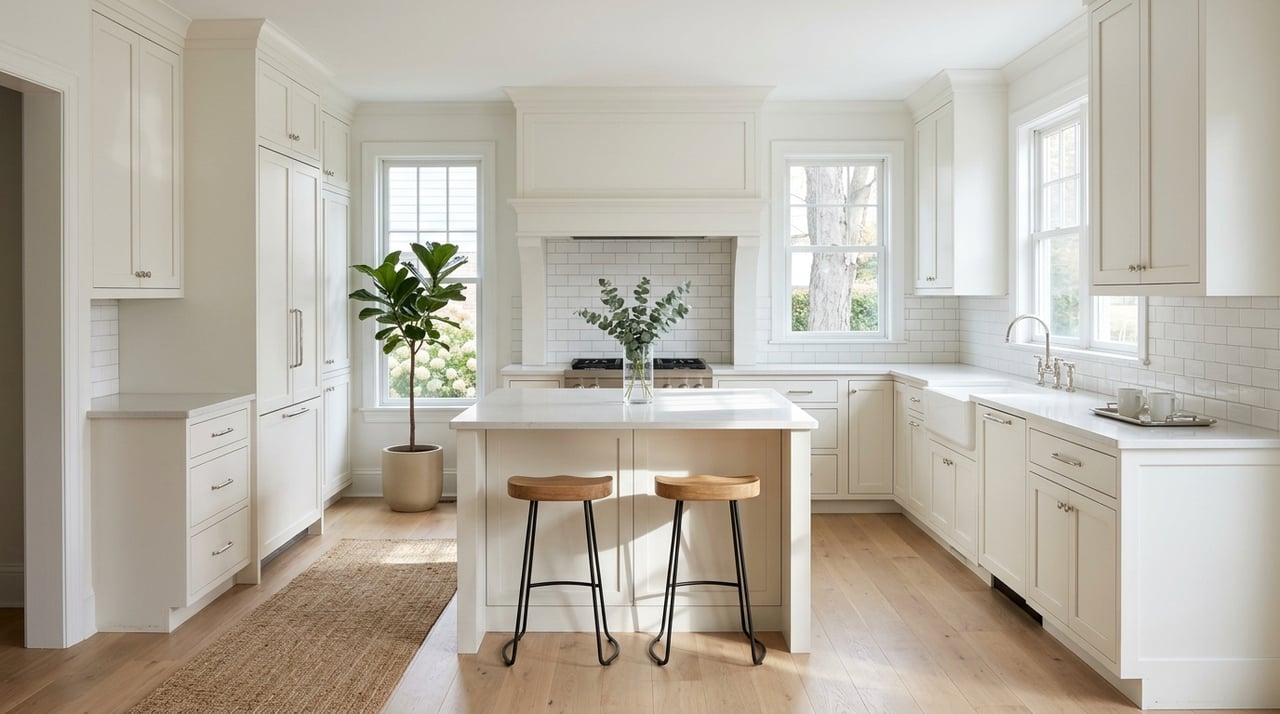
For many buyers, condo living is less about a certain look and more about a certain structure. Condo ownership can make long-term planning feel more straightforward because the association handles shared spaces, governance, and common expenses. That setup can be appealing if you want a more standardized residential experience.
A traditional condo floor plan may also give you more separation between rooms. If you work from home, host overnight guests, or simply want stronger boundaries between living and sleeping areas, a conventional condo layout may fit your routine better than an open loft.
Association details matter in Minnesota
When you buy a condo in Minnesota, the association itself becomes part of the decision. State law requires disclosure of important documents such as the association budget, reserve status, and insurance coverage at the time of first conveyance. Those details can tell you a lot about how the building is managed.
As you compare homes, do not focus only on finishes and views. Look closely at what the monthly dues cover, whether reserves appear adequate, and whether major repairs are planned. In a condo purchase, the health of the association can matter just as much as the unit itself.
Noise can shape your experience
In Downtown East, noise is not a small issue. This is a neighborhood connected to stadium events, transit lines, the Armory, arts destinations, and daily downtown activity. If you are sensitive to sound, your experience can vary quite a bit from one building and one unit to another.
Loft layouts can echo more because of their openness. ApartmentGuide notes that soft furnishings like curtains, bookshelves, and acoustic panels can help reduce that effect. Soft lofts may also include more interior walls or design features that absorb sound better than some hard loft spaces.
What to check during a tour
When you walk a unit, pay attention to more than the view. Ask about window quality, wall construction, and which direction the unit faces. A home facing heavy activity may feel very different from one positioned away from event traffic or street noise.
If possible, try to visit at a time when the area is active. That can give you a more realistic sense of what daily life may sound like. In a neighborhood like Downtown East, small differences in location within the same building can matter.
Storage and function often decide it
Many buyers are drawn to lofts for style, then make the final decision based on storage and daily function. Open layouts can look amazing, but they may not include as many closets, built-ins, or tucked-away utility spaces. If you have sports gear, seasonal items, or work equipment, that limitation can become a bigger factor than you expect.
Soft lofts often solve this better than hard lofts by adding built-in storage and more modern planning. Traditional condos may also offer a more familiar setup with clearer bedroom separation and easier furniture placement. If your daily routine depends on organization, function deserves just as much weight as design.
Heating, cooling, and monthly costs
A beautiful open layout can come with different utility behavior than a more conventional condo. Loft-style homes may cost more to heat and cool, especially if they have higher ceilings or less efficient insulation. That is worth asking about early, especially if you are comparing an older hard loft with a newer soft loft or conventional condo.
You should also separate your monthly housing costs into categories. Mortgage payment, condo dues, utilities, parking, and any building-specific fees all shape affordability. A lower purchase price does not always mean a lower monthly cost.
Parking deserves a close look
Parking can be easy to overlook when the unit itself is impressive. In a compact downtown setting like Downtown East, dedicated parking may have a big impact on convenience. If you drive regularly, ask whether parking is included and how access works.
Even if you plan to use light rail often, parking can still affect resale appeal and day-to-day flexibility. Since the neighborhood is strongly tied to transit and event activity, having clear answers on parking can help you avoid surprises later.
Which option fits your lifestyle
A loft-style home may be the better match if you value character, natural light, entertaining space, and the freedom to define an open floor plan your own way. It can also fit well if you do not mind less storage, less privacy, or a more industrial visual feel. Buyers who enjoy design and flexibility often gravitate here.
A more conventional condo may fit better if you want clearer room separation, more predictable organization, and an ownership structure that feels easier to budget around. If your top priorities are routine, privacy, and practical day-to-day living, a traditional condo may check more boxes.
In Downtown East, both options can work well. The neighborhood supports a dense urban lifestyle with access to transit, arts, events, and riverfront amenities. The better choice usually comes down to how much openness, sound transfer, storage tradeoff, and association involvement you are comfortable with.
Smart questions to ask before you buy
If you are comparing lofts and condos in Downtown East, keep these questions with you during your search:
- Is this a hard loft or a soft loft?
- What do the HOA dues cover?
- How healthy are the association reserves?
- Are there any major repairs or projects planned?
- How much sound transfer is there from neighbors or the street?
- What kind of windows and wall construction does the building have?
- Is parking included, assigned, or separate?
- How do heating and cooling costs typically behave in this layout?
- How much storage comes with the unit?
The more clearly you can answer these questions, the easier it becomes to tell whether you are choosing a home that truly fits your lifestyle or just reacting to a first impression.
If you want help weighing loft style, condo ownership, and building-level details in Downtown East, George L Massad can help you compare your options with a local, practical perspective.
FAQs
What is the difference between a loft and a condo in Downtown East?
- A loft usually describes a home’s open layout and design style, while a condo describes an ownership structure where you own your unit and share ownership of common areas.
Are lofts in Downtown East always condos?
- No. A loft can be a condo, but loft is not the same thing as condo. Some loft-style homes are condos, while others may be rentals.
What should condo buyers review in Minnesota before buying?
- Buyers should review association documents such as the budget, reserve status, insurance coverage, and what the monthly dues cover.
Are Downtown East lofts noisier than traditional condos?
- They can be, especially because open layouts may echo more and Downtown East is an active area with events, transit, and downtown activity.
Is a hard loft or soft loft better in Downtown East?
- It depends on your priorities. Hard lofts often offer more character, while soft lofts may provide better insulation, storage, sound absorption, and amenities.
Why does parking matter when buying in Downtown East?
- Parking can affect daily convenience and resale appeal, especially in a dense downtown neighborhood shaped by transit access and event activity.