Selling a home in Lowry Hill is not just about putting a sign in the yard. In a neighborhood known for older homes, mature trees, and architecturally significant properties, buyers tend to notice both condition and character right away. If you want to sell with more confidence, a smart prep plan can help you protect what makes your home special while presenting it at its best. Let’s dive in.
Why prep matters in Lowry Hill
Lowry Hill stands out for its established housing stock, including single-family homes, duplexes, triplexes, and higher-density housing. City materials describe it as home to some of the oldest housing stock in Minneapolis, with many historic and architecturally significant residences.
That matters when you sell. Buyers in Lowry Hill are often drawn to original details, but they still want to see a home that feels cared for and functional. In many cases, the strongest impression comes from a home that feels authentic, well maintained, and thoughtfully presented.
The neighborhood also benefits from recognizable local anchors like the Walker Art Center, the Minneapolis Sculpture Garden, and Thomas Lowry Park. Those nearby features help shape buyer interest and can influence what you choose to highlight during your prep process.
Understand today’s market backdrop
Preparation matters even more in an active market that is not moving at a frantic pace. In May 2026, Twin Cities new listings rose 4.3%, pending sales rose 10.6%, and the median sales price rose 1.0%.
At the same time, listings spent 2.3% more time on market, and sellers received 99.3% of list price. Minnesota Realtors also reported that sales were up 16.8% in Minneapolis. For you, the takeaway is simple: presentation, condition, and pricing discipline can make a real difference.
Start with exterior first impressions
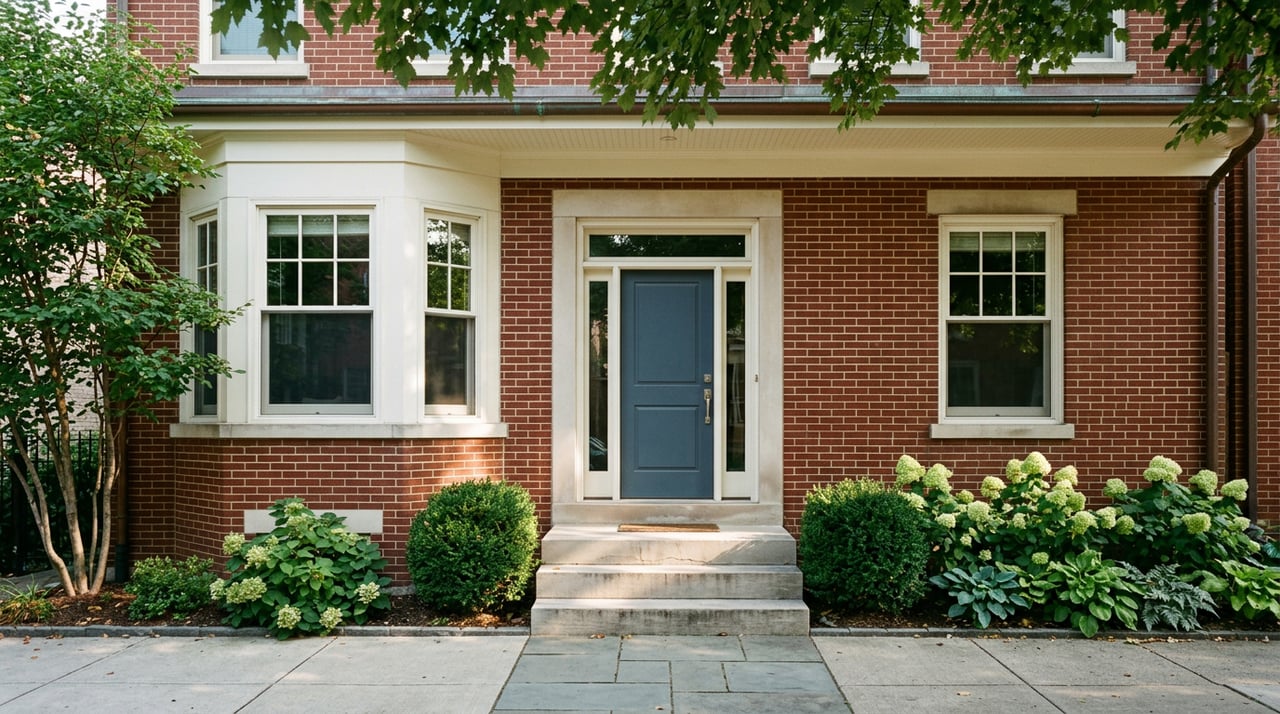
Your exterior sets the tone before a buyer ever steps inside. In Lowry Hill, that first look often includes the front door, roofline, porch, steps, paint or siding condition, and landscaping.
National remodeling data from 2025 estimated 100% cost recovery for a new steel front door and 80% for a fiberglass front door. The same report estimated 74% for new vinyl windows and 71% for new wood windows, while REALTORS most often recommended painting and new roofing before selling.
That does not mean you should overhaul everything. It means you should focus on visible, high-impact items that make the home feel clean, solid, and inviting.
Exterior areas to review
- Front door condition and hardware
- Porch flooring, railings, and steps
- Roof wear or visible damage
- Paint failure or siding deterioration
- Walkways and entry lighting
- Landscaping cleanup and pruning
- Window condition and trim maintenance
Keep updates compatible with the home
In a neighborhood with strong preservation ties, the goal is not to make an older home look brand new. Minneapolis preservation standards say historic character should be retained, and deteriorated features should be repaired rather than replaced when possible.
When replacement is needed, the city says the new feature should match the original in design, color, texture, and materials where feasible. That is especially important for items like windows, doors, masonry, and porch details.
A good rule for Lowry Hill is to aim for fresh but period-aware. Clean, repair, and brighten the exterior without adding details that feel out of place or create a false historic look.
Check historic review before exterior work
Before you schedule bigger exterior changes, confirm whether your property is a locally designated landmark or located within a historic district. Minneapolis requires approval before alterations on designated properties, and review can include roofing materials, windows, porches, steps, doors, landscaping, and surface materials.
Some maintenance work may fall into a minor-alteration category. City review materials note that in-kind replacement of a standard shingle roof, tuckpointing, and limited masonry or siding repair can qualify in some designated situations.
Because the rules can vary by property, it helps to verify this early. Doing that upfront can save time, reduce stress, and keep your pre-listing timeline on track.
Focus interior updates where buyers notice most
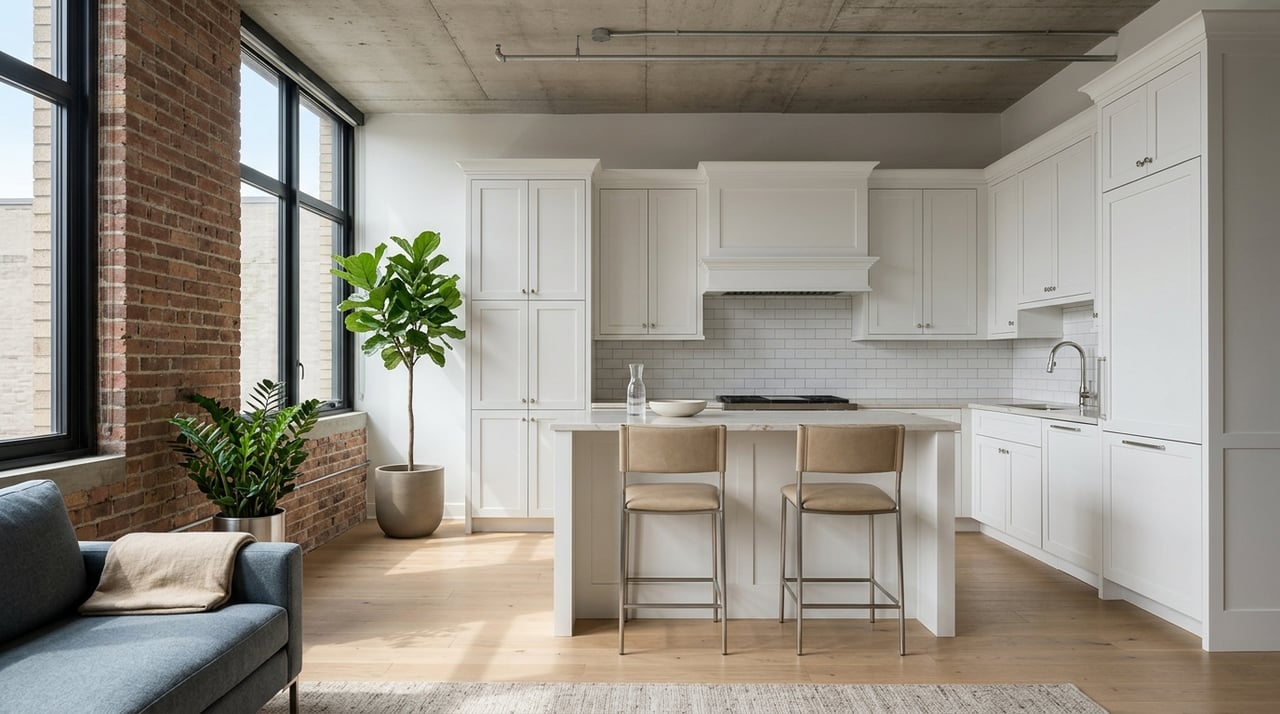
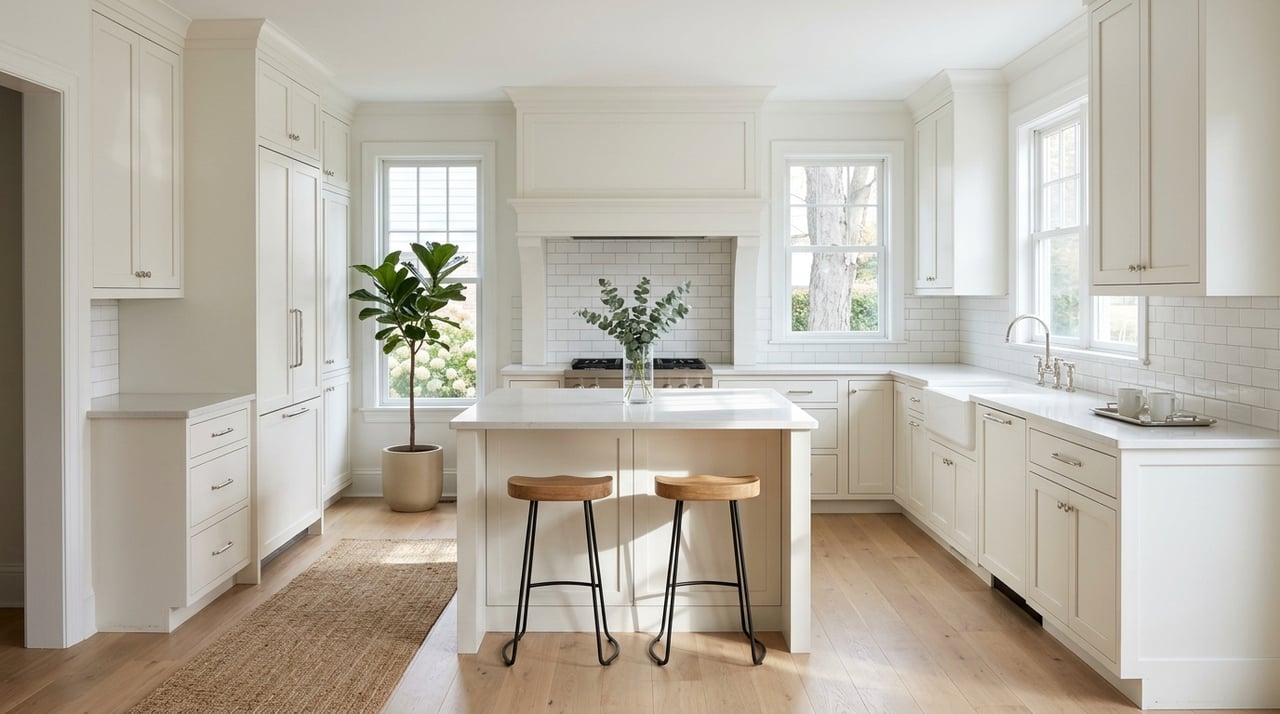
Inside the home, small and strategic improvements often do more than major renovations. Data from the 2025 Remodeling Impact Report shows REALTORS frequently recommend painting before listing, and the estimated cost recovery was 60% for a minor kitchen upgrade, 60% for a complete kitchen renovation, and 50% for a bathroom renovation.
For many sellers, that points to a practical strategy. Instead of taking on a full redesign, focus on cosmetic improvements, lighting, minor kitchen or bath refreshes, and better organization.
Interior projects worth considering
- Repaint rooms with tired or dated finishes
- Replace harsh or dim lighting
- Touch up trim and wall imperfections
- Refresh kitchen hardware or fixtures
- Deep clean tile, grout, and hard surfaces
- Simplify furniture layouts to improve flow
- Improve closet and storage organization
Highlight original character, not clutter
Lowry Hill buyers may respond strongly to original millwork, hardwood floors, window proportions, and room volume. Your staging should help those features stand out.
That usually means less furniture, fewer distractions, and more breathing room in each space. If a room feels crowded, buyers may miss the details that give the home its appeal.
Minneapolis preservation guidance also supports compatible updates over changes that create a false sense of historical development. In practical terms, let the home’s real character do the work.
Prioritize the most important rooms for staging
Buyers are often forming opinions online before they ever book a showing. According to NAR’s 2025 Profile of Home Staging, 83% of buyers’ agents said staging made it easier for buyers to visualize the home.
That same report found the most important rooms to stage were the living room, primary bedroom, and kitchen. For many Lowry Hill homes, the dining area also deserves attention, especially if it showcases scale, natural light, or original details.
Rooms to make photo-ready first
- Living room
- Primary bedroom
- Kitchen
- Dining area
- Entry or foyer
Photos, physical staging, videos, and virtual tours were also rated as important listing assets. That aligns well with a thoughtful, presentation-driven marketing approach.
Declutter storage before photos and showings
Storage presentation matters more than many sellers expect. NAR estimated 83% cost recovery for closet renovation, which supports the idea that organized storage can add real value to the way your home is perceived.
You do not necessarily need a full closet remodel. In many homes, removing excess items, adding simple organization, and making closets look functional can improve both photos and in-person showings.
Buyers want to imagine their own belongings fitting into the home. The easier you make that mental picture, the stronger your presentation becomes.
Plan for lead-based paint if your home is older
Because Lowry Hill includes some of the oldest housing stock in Minneapolis, lead-based paint should be part of your pre-listing planning if your home was built before 1978. EPA guidance says homes built before 1978 are much more likely to have lead-based paint.
Before the sale of most pre-1978 housing, sellers must disclose known lead information, provide available records, include the required warning statement, and give buyers an opportunity to inspect. If you are repainting, replacing windows, or sanding trim, it is wise to assume lead may be present until the home is tested or evaluated.
EPA also recommends using lead-safe certified renovators for renovation, repair, and painting work that disturbs lead-based paint. For older homes, this is an important step in protecting both your timeline and your peace of mind.
Keep records organized from the start
As you prepare to sell, keep permits, invoices, contractor details, and service records in one place. That is especially helpful in a neighborhood where preservation review may apply to certain exterior work.
Good records can also make it easier to answer buyer questions and complete disclosures accurately. When you can clearly show what was repaired, maintained, or updated, your home often feels more credible and better cared for.
Use a simple pre-listing timeline
If you are planning to list in the next few months, a clear order of operations can help you avoid delays. Based on the guidance in the research, this is a practical sequence for Lowry Hill sellers.
A workable prep order
- Confirm whether historic review applies to your property
- Determine whether lead-safe precautions are needed
- Complete exterior repairs, paint, and entry updates
- Declutter storage and simplify room layouts
- Stage the living room, primary bedroom, kitchen, and dining areas
- Schedule photos, video, and virtual tour assets
- Finalize records and disclosures
This kind of step-by-step plan can make the process feel more manageable. It also helps ensure your marketing starts from a strong visual and compliance foundation.
Tell the right Lowry Hill story
A confident sale is not only about repairs and staging. It is also about presenting the home within the context of the neighborhood.
Lowry Hill has a long connection to preservation and beautification, and city materials point to nearby cultural and outdoor anchors like the Walker Art Center, the Minneapolis Sculpture Garden, and Thomas Lowry Park. When your home is thoughtfully prepared, those neighborhood qualities can support a stronger overall impression.
The goal is simple: help buyers see both the home and the setting clearly. When condition, character, and presentation work together, you put yourself in a better position to sell with confidence.
If you are getting ready to sell in Lowry Hill, George L Massad can help you build a smart prep strategy, highlight your home’s strengths, and bring it to market with polished, professional presentation.
FAQs
What should I fix before selling a Lowry Hill home?
- Focus first on visible condition issues like paint, roof wear, porch repairs, entry details, lighting, and landscaping, then address cosmetic interior updates and staging in key rooms.
Do historic rules affect exterior updates on a Lowry Hill property?
- If your home is a locally designated landmark or in a historic district, Minneapolis may require approval for changes involving windows, roofing, doors, porches, steps, landscaping, and exterior materials.
Which rooms matter most when staging a Lowry Hill home for sale?
- The living room, primary bedroom, and kitchen are the top staging priorities, with dining areas also worth extra attention for photos and showings.
Should I worry about lead-based paint when selling an older Lowry Hill house?
- If your home was built before 1978, lead-based paint should be part of your planning because sellers of most pre-1978 homes must provide required lead disclosures and related information.
How early should I start preparing a Lowry Hill home to sell?
- If possible, start a few months before listing so you have time to check historic review, handle repairs, declutter, stage, and organize records and disclosures.
What makes home prep especially important in the Lowry Hill real estate market?
- Lowry Hill buyers often evaluate both the home’s condition and its original character, so thoughtful preparation can help your property feel authentic, cared for, and market-ready.