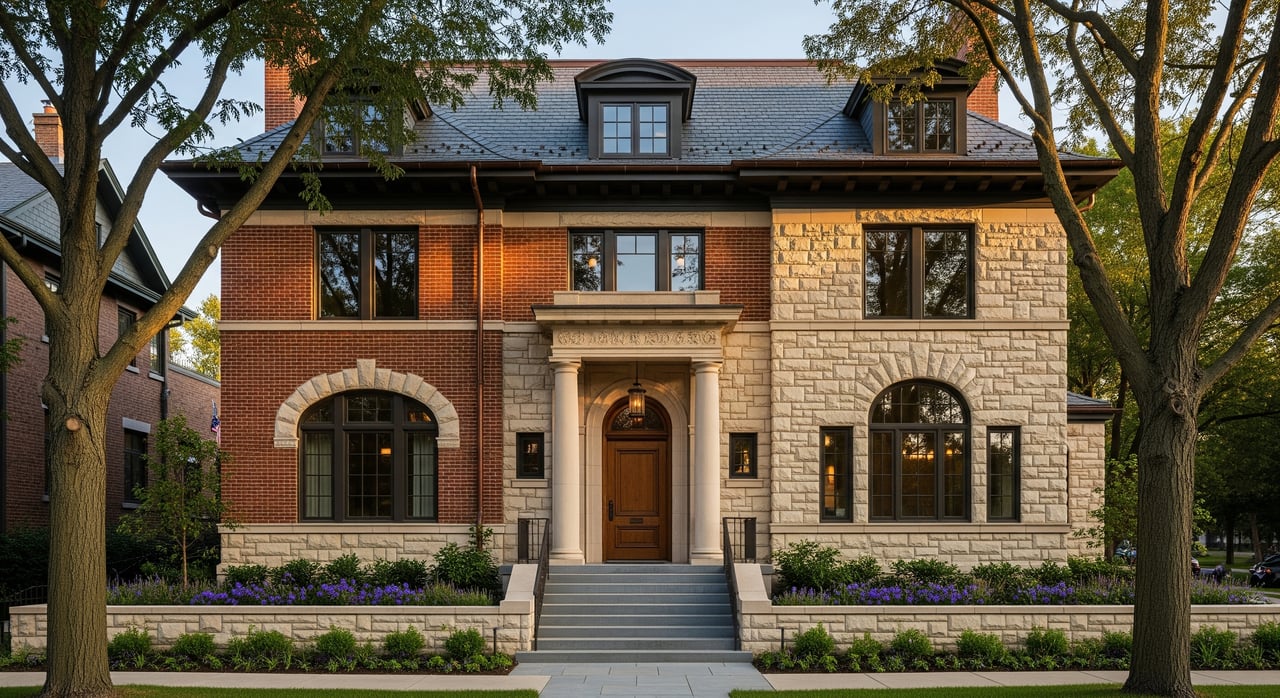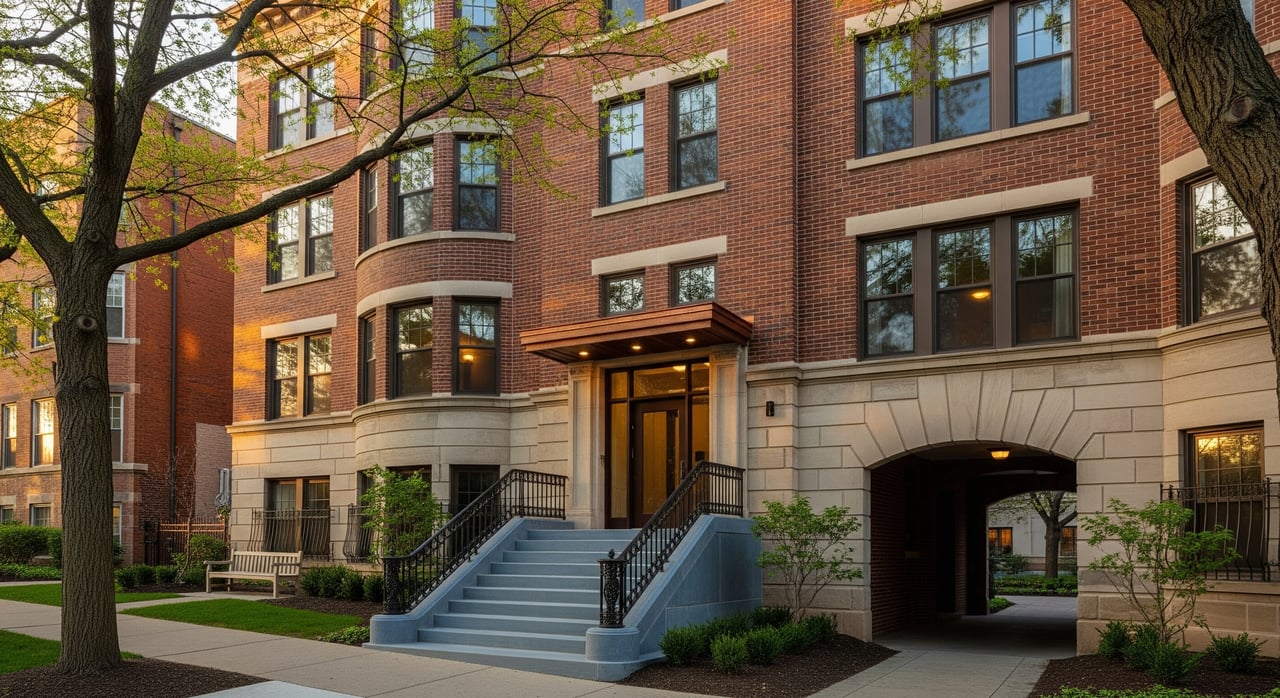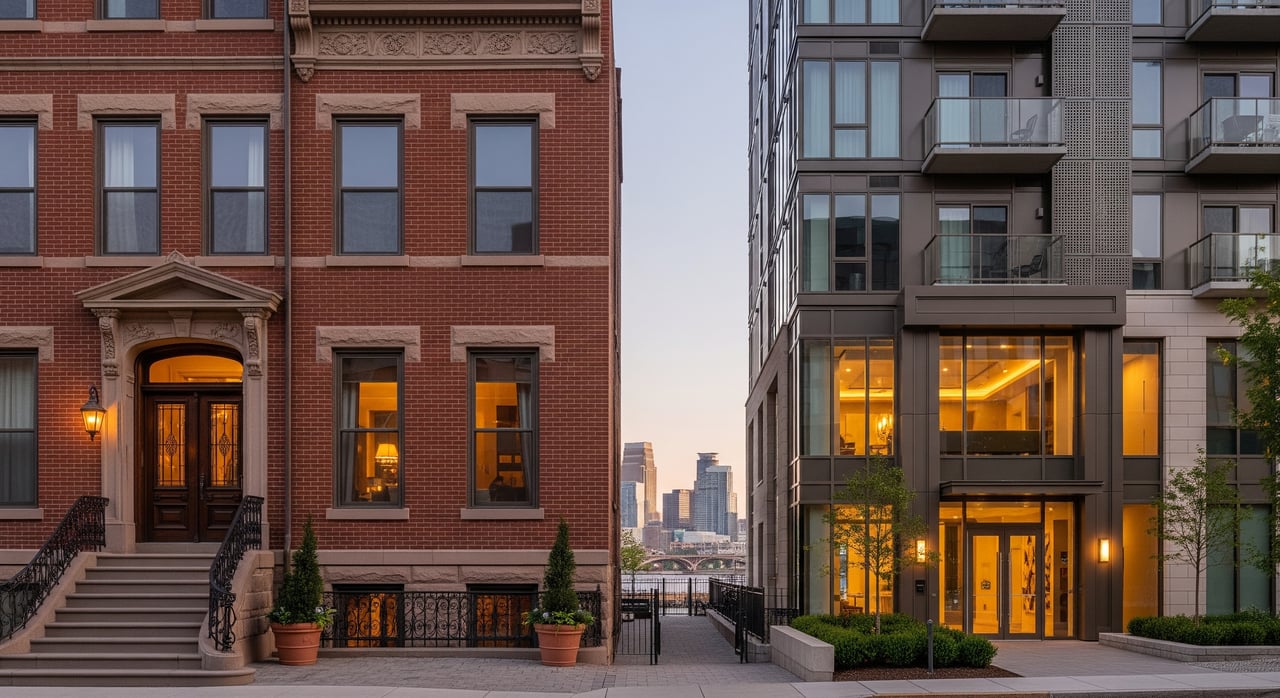
Torn between a sleek condo and a private-entry townhome in Downtown East? You’re not alone. Both offer urban convenience, but the ownership, monthly costs, and lifestyle feel very different. In this guide, you’ll learn how condos and townhomes compare in Minneapolis’s Downtown East so you can choose with confidence. Let’s dive in.
Ownership and legal structure
Understanding what you actually own helps you plan for maintenance, insurance, and resale.
- Condominium. You own the interior of your unit plus a shared interest in the building’s common elements like hallways, roof, elevators, and amenities. An association, run by a board of owners, manages the building under its declaration, bylaws, rules, budget, and meeting minutes. The association’s master policy typically insures the exterior and shared areas, while you carry an HO-6 policy for interior finishes, personal property, and liability.
- Townhome. In Downtown East, townhomes come in two legal flavors. A fee-simple townhome means you own the lot and structure, much like an attached single-family home. You’ll likely be responsible for exterior maintenance and carry a traditional HO-3 policy. A condo-form townhome is legally a condominium even if it looks like a rowhome. In that case, the association may handle some or all exterior elements, and you may carry an HO-6. Always confirm the recorded ownership type and what the association covers.
Pro tip: Marketing labels can be misleading. A property advertised as a “townhome” might actually be condo-form. Ask for the declaration and plat to confirm the legal structure and maintenance split before you write an offer.
HOA rules and governance
Your association’s health and rules can shape your experience and costs.
- Documents to review. Request the declaration/CCRs, plat, bylaws, rules, current and prior-year budgets, reserve study or reserve fund details, meeting minutes for the last 12 to 36 months, insurance certificates, assessment schedules, and any pending litigation or claims history.
- Financial health. Look for a realistic operating budget and a well-planned reserve fund. Frequent or large special assessments, or a high delinquency rate on dues, can be red flags.
- Governance and management. Larger Downtown East buildings often use professional management. Smaller townhome associations may be volunteer-run. Review election frequency, audit practices, and how rules are enforced. Confirm rental, short-term rental, and pet policies. Note any voting thresholds for special assessments or alterations.
Good governance and transparent records protect your investment. If something is unclear, ask follow-up questions and compare minutes across several months to see patterns.
Monthly costs to compare
Look beyond list price and HOA dues. Build your “all-in” monthly carry cost so you can compare apples to apples.
Include:
- Mortgage principal and interest
- Hennepin County property taxes
- HOA dues or association fees
- Insurance (HO-6 for condos, HO-3/HO-5 for fee-simple townhomes)
- Utilities you pay directly (water, sewer, gas, electricity, internet/cable)
- Parking fees if the stall is leased rather than deeded
- Routine maintenance and replacement allowance for items not covered by the HOA
- Possible special assessments
Typical patterns:
- Condos. Dues are often higher because they cover building exterior, common-area insurance, elevators, amenities, and shared utilities or services like trash and snow removal. You may face fewer surprise exterior costs, but special assessments can happen, especially for major systems.
- Townhomes. Dues may be lower if they cover fewer services. Expect higher owner-paid maintenance for roof, siding, driveways, and yard if you own fee-simple, along with higher insurance premiums for full-structure coverage. Condo-form townhomes land somewhere in between.
Create a side-by-side comparison for each property using the same line items. This all-in view is the most reliable way to judge affordability over time.
Financing and resale factors
Lender requirements and resale dynamics vary by property type and project.
- Financing. Condos can face stricter underwriting. Lenders may review the project’s approval status, owner-occupancy rates, reserve sufficiency, commercial space, pending litigation, and insurance. Fee-simple townhomes are often treated like single-family homes, which can simplify financing.
- Investors and rentals. Many associations regulate leasing, set minimum lease terms, or cap the percentage of rental units. Check these rules early if you plan to rent.
- Resale. Condos often trade on building brand, amenities, floor plan, and views. Townhomes tend to attract buyers who want a private entry, attached garage, and outdoor space with lower monthly dues. In both cases, the association’s financial health and transparency matter to future buyers.
If you anticipate a future sale, focus on well-managed communities with clear reserves and documented maintenance plans.
Amenities and lifestyle tradeoffs
Downtown East offers a vibrant, walkable lifestyle near the riverfront and the Mill District. Decide which daily experience fits you best.
- Condos in Downtown East typically feature secure entries, package rooms, fitness centers, resident lounges, rooftop decks, bike storage, and sometimes concierge service or guest suites. You get extensive shared spaces and building services, which adds convenience.
- Townhomes provide a private, street-level entrance, often an attached garage, and a patio or small outdoor area. You gain privacy and direct outdoor access, usually with fewer large shared amenities.
Think about how you live. If you prefer a building with on-site amenities and staffed services, a condo may fit. If you value privacy, your own front door, and a garage, a townhome may feel more like home.
Downtown East considerations
Every block in Downtown East has its own rhythm. A few local factors can shape your day-to-day.
- Transit and walkability. The area is highly walkable with robust transit options. Visit at different times to gauge commute flow and pedestrian activity.
- Parking. Some units include deeded stalls. Others use assigned or leased spaces in a building or nearby ramp. Ask about availability, transfer rules, and monthly costs.
- Noise and events. Proximity to major venues can bring energy and convenience, along with event-day noise and traffic. Check window quality, floor level, and building soundproofing, and consider visiting during an event.
- Active development. Ongoing construction is common. Short-term impacts include noise and traffic. Long-term impacts may affect views, sunlight, and supply.
Tour with a critical eye. Note elevator dependence in high-rises, storage options, and guest parking rules if you entertain often.
Decision checklist
Use this quick checklist before you make an offer in Downtown East.
- Confirm ownership
- Is it fee-simple or condominium form? Review the declaration and plat.
- For condo-form townhomes, clarify who maintains roof and exterior.
- Assess HOA health
- Review declaration, bylaws, rules, current budget, reserve study or reserve balance, 12–36 months of minutes, insurance certificate, assessment history, delinquency rate, and any litigation.
- Ask about planned capital projects and special assessments. Identify the management company.
- Calculate all-in monthly cost
- Add mortgage, Hennepin County taxes, insurance, HOA dues, parking, utilities, and a monthly maintenance allowance. Request average utility bills and parking details.
- Review insurance details
- Get the master policy and note coverage limits and the deductible. Ask how deductibles are allocated after a loss. Confirm your HO-6 or HO-3 requirements and any endorsements.
- Understand use rules
- Review rental policy, short-term rental rules, pet policy, renovation approvals, and guest/visitor parking rules.
- Check building condition
- Ask about recent capital work and schedules for roof, elevators, parking structures, and major systems. Review service records where available.
- Validate marketability
- Compare recent sales in the same building or nearby townhomes. Note days on market and list-to-sale price trends. Ask about planned developments that could affect views or traffic.
- Confirm parking and storage
- Is parking deeded, assigned, or leased? Are stalls transferable? Check for storage waitlists.
- Visit strategically
- Tour at different times and on an event day. Note floor level, window orientation, sunlight, and noise.
How we can help
Choosing between a condo and a townhome in Downtown East comes down to the experience you want, the responsibilities you’re comfortable with, and the all-in cost that fits your budget. If you want a clear, side-by-side comparison and help reviewing HOA documents, reserves, and insurance details, our team is ready to guide you.
Let’s make your move smooth and confident. Connect with George L Massad to get tailored options, on-the-ground insights, and expert negotiation when it is time to write the offer.
FAQs
What does an HOA typically cover in Downtown East condos?
- Most condo HOAs cover building exterior, common elements, and shared services like elevators and amenities, while you insure interior finishes with an HO-6 policy.
Do townhomes usually have lower HOA dues than condos?
- Often yes, especially for fee-simple townhomes with fewer shared services, but you may pay more out of pocket for exterior maintenance and higher full-structure insurance.
How do special assessments affect condo owners?
- Special assessments fund major repairs or shortfalls and can raise your cost unexpectedly; review minutes, reserves, and planned projects to gauge assessment risk.
Can I rent out my Downtown East condo or townhome?
- Many associations regulate leasing with caps or minimum lease terms, and local rules may apply to short-term rentals; always check the HOA’s rental policies.
What insurance do I need for a condo vs a townhome?
- Condo owners usually carry an HO-6 for interiors and liability, while fee-simple townhome owners typically need an HO-3 or HO-5 that covers the entire structure.
Is parking deeded or leased in Downtown East buildings?
- It varies by property; some sell with deeded stalls, while others use assigned or leased spaces in-building or nearby ramps, so confirm terms and transfer rules early.