Buying in Lowry Hill is exciting, but the last step can feel confusing: closing costs. If you are wondering how much cash you need beyond your down payment, you are not alone. The good news is you can predict most expenses, negotiate some of them, and plan your timing. In this guide, you will learn what Minnesota buyers typically pay, what is common in Minneapolis, and practical ways to reduce your out-of-pocket amount. Let’s dive in.
What closing costs include
Closing costs are the non-price expenses you pay to complete a home purchase. They cover lender fees, third-party services like appraisal and title, government recording, and prepaids such as taxes and insurance. You will see two key documents: the early Loan Estimate within three business days of applying, and the final Closing Disclosure at least three business days before closing. As a rule of thumb, buyers often pay about 2% to 5% of the purchase price in closing costs, separate from the down payment.
Your Lowry Hill snapshot
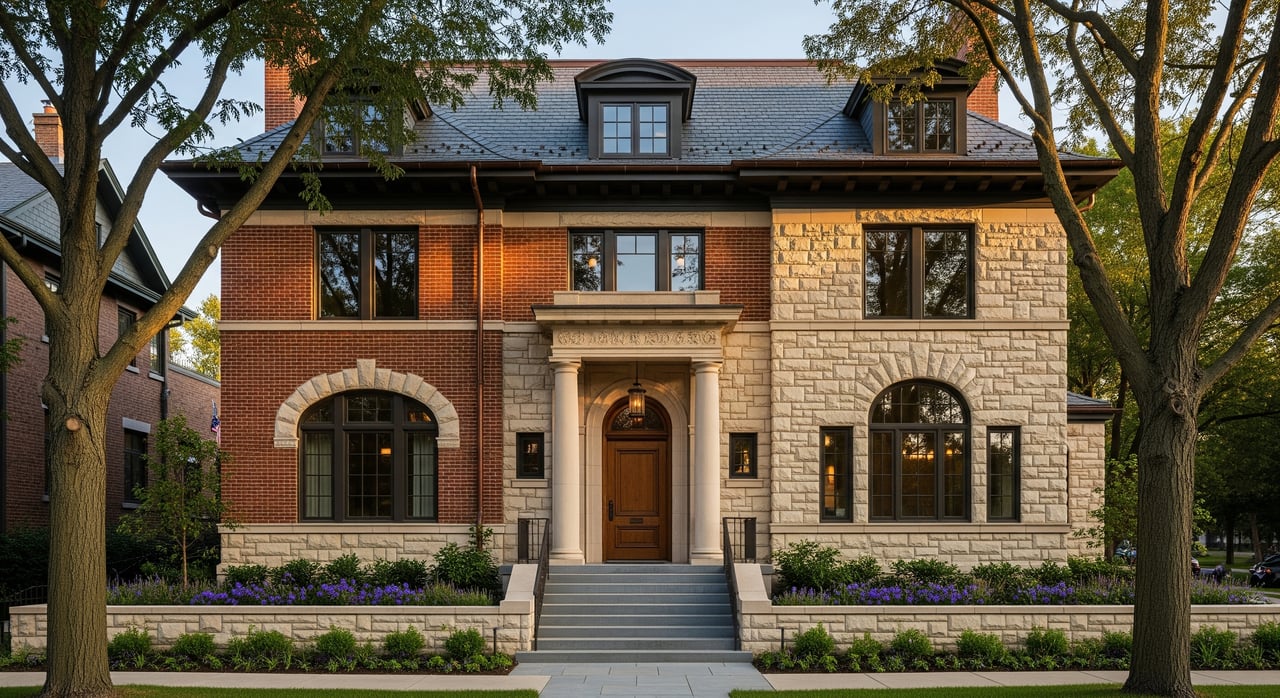
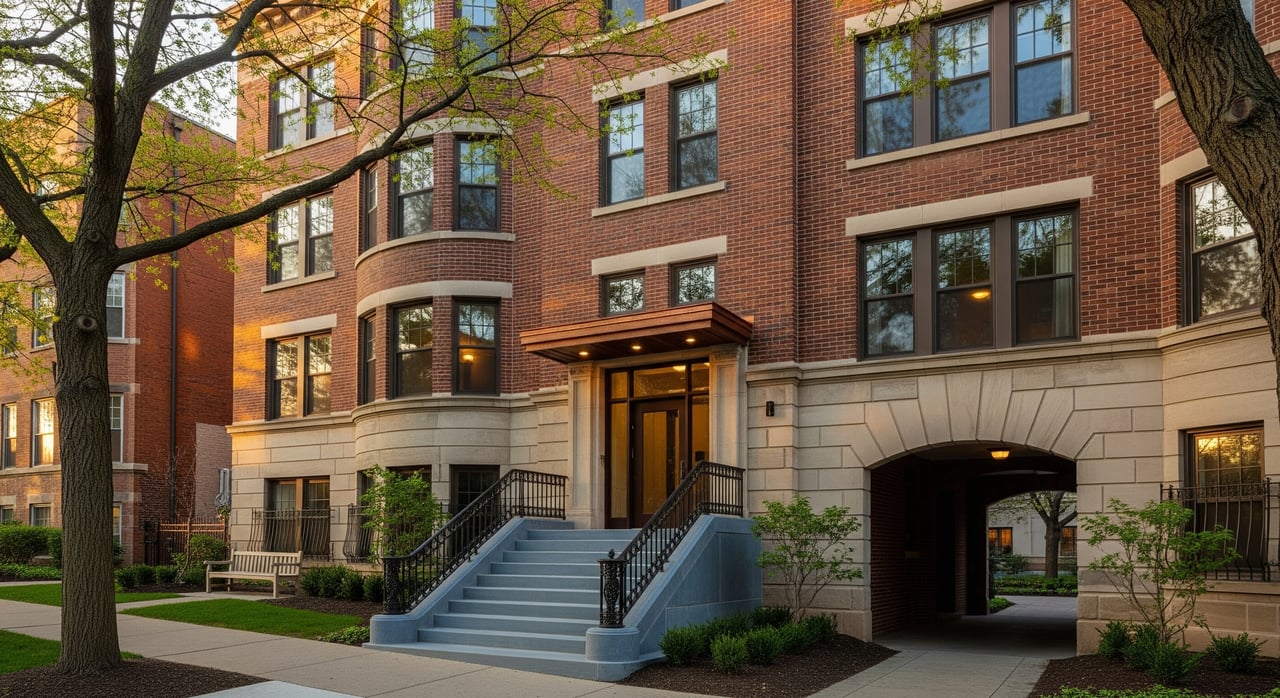
Lowry Hill has many older, sometimes historic homes. That can mean higher appraisal costs, possible surveys, and more title research. In Minneapolis, the seller may sometimes pay for the owner’s title policy, but it varies and is negotiable. Recording fees are set by Hennepin County, and property taxes are typically prorated at closing based on the billing cycle and your closing date.
In urban Minneapolis markets, sellers may offer concessions to help cover buyer costs, depending on market conditions and your loan program limits. Exact customs can shift by season and competition, so confirm your strategy during negotiations.
Line-item breakdown and typical ranges
Below are common buyer costs and who usually pays. Actual numbers appear on your Loan Estimate and Closing Disclosure.
Lender-related fees
- Origination or lender fee: often 0.5% to 1.5% of the loan amount.
- Underwriting, processing, application: about $300 to $1,000 combined.
- Credit report: about $25 to $50.
- Appraisal: typically $400 to $1,000+ in Minneapolis; complex or historic homes can be higher.
- Points or discount points: optional; 1 point equals 1% of the loan amount to lower your rate.
- Rate lock or administrative fees: sometimes charged or included in pricing.
- Flood certificate and tax service fees: about $20 to $150.
Who usually pays: you, as the borrower. Some fees can be negotiated or offset by lender credits.
Title, escrow, and recording
- Title search, exam, and closing or settlement fee: about $300 to $1,200 combined.
- Lender’s title insurance: usually required by the lender; cost scales with loan amount.
- Owner’s title insurance: protects you; payment varies by local custom and negotiation.
- Recording and document fees: county charges for deed and mortgage recording.
- Deed prep and notary: generally nominal.
Who usually pays: you pay lender-required title policy and recording fees; owner’s policy depends on the contract and local practice.
Prepaids and escrow reserves
- Prepaid interest: mortgage interest from closing to your first payment date.
- Homeowner’s insurance: often the first year due at closing.
- Escrow deposits: initial reserves for taxes and insurance, commonly 2 to 6 months depending on lender rules.
- HOA dues and transfer fees: prorated from the closing date; transfer fees may apply for condos.
Who usually pays: you fund prepaids and initial escrow if your lender requires an escrow account.
Inspections and reports
- General home inspection: about $300 to $800.
- Radon, pest, sewer scope, lead paint, or mechanical inspections: about $100 to $500 each.
- Survey, if required: about $300 to $1,500.
Who usually pays: you, though some items can be negotiated in your offer.
Taxes and government charges
- Recording fees: set by the county for deed and mortgage documents.
- Property tax proration: you reimburse or receive credit based on the closing date and tax cycle.
- Special assessments: city or county assessments may be paid or prorated depending on status.
Who usually pays: varies by item and proration; recording charges are typically your cost.
Other possible costs
- Upfront mortgage insurance for certain loans.
- Escrow or settlement fees from the closing agent.
- Wire, courier, or overnight delivery fees.
- Lender attorney fees if applicable.
Example budget for a Lowry Hill purchase
To help you plan, here is an illustrative example for an $800,000 home. Your numbers will vary by property, lender, taxes, and negotiations.
- Lender fees, appraisal, credit report: $3,000 to $7,000
- Title insurance and closing or escrow fees: $1,500 to $4,000
- Prepaids and escrow deposits: $3,000 to $8,000
- Recording and county fees, miscellaneous: $200 to $800
- Inspections and survey: $500 to $2,000
- Estimated total closing costs: about $8,200 to $21,800, or roughly 1% to 2.7% of price
These ranges do not include your down payment. Use your Closing Disclosure for the final number.
Who pays what in Minneapolis
- Buyer: lender fees, lender’s title policy, recording fees, prepaids, and most inspections.
- Owner’s title policy: negotiable; in some Minneapolis transactions the seller pays, but it varies by deal.
- HOA transfer or condo fees: negotiable; often included in concessions.
- Property taxes and assessments: prorated at closing based on the billing cycle and date.
How to reduce cash at closing
Ask for seller concessions
You can request a seller credit to cover part of your closing costs, prepaids, or even discount points. Your loan program sets limits, and market conditions will affect how much leverage you have.
Compare lenders and balance points vs rate
Request Loan Estimates from more than one lender and compare itemized fees. Run a break-even analysis to decide whether paying points to lower your rate fits your timeline in the home.
Shop title and settlement services
Title insurance premiums and settlement fees can vary. Ask for quotes from experienced Minneapolis or Hennepin County title companies who understand older neighborhood records.
Consider lender-paid costs or financing
Some lenders offer credits in exchange for a slightly higher interest rate. Financing costs increases your loan amount and monthly payment, so weigh short-term savings against long-term expense.
Negotiate repairs or price instead
If a seller is not open to paying closing costs, pursue a price reduction or a repair credit. Your agent can help you choose the path that best supports appraisal and financing.
Pick a smart closing date
Closing earlier in the month can reduce prepaid interest. Your lender can calculate the difference so you can time it well with your move.
Timing and documents you will see
After you apply for a mortgage, your lender must provide a Loan Estimate within three business days. Before closing, you receive a final Closing Disclosure at least three business days in advance so you can review line items and wire instructions. Some costs, like appraisal and inspections, are paid during the process, while the balance is due at closing.
Lowry Hill buyer checklist
- Get pre-approved and ask your lender for an upfront closing cost range and escrow requirements.
- Review your Loan Estimate closely and compare at least two lender quotes.
- Confirm who will pay the owner’s title policy before you write your offer.
- Ask your agent to negotiate seller credits, HOA transfers, or rate buydowns when appropriate.
- Plan for inspections common with older homes, and set aside funds for follow-up evaluations.
- Verify Hennepin County recording fees, tax proration, and any special assessments with your title team.
- Confirm wire instructions by phone using known numbers to avoid fraud.
Final thoughts
Closing costs in Minnesota are predictable when you know the line items, local customs, and the levers you can use to save. In Lowry Hill, the combination of older housing stock and urban market dynamics means careful budgeting and negotiation matter. Review your Loan Estimate early, confirm title and county fees with your closing team, and set your timeline to minimize prepaids.
If you would like a personalized closing cost walkthrough before you make an offer, reach out to George L Massad. Our team brings neighborhood-level guidance with clear next steps so you can close with confidence.
FAQs
What are typical buyer closing costs in Minnesota?
- Many buyers pay about 2% to 5% of the purchase price in closing costs, separate from the down payment.
How are closing costs different in Lowry Hill?
- Older, higher-value homes can mean higher appraisal, title research, and potential survey costs compared to newer areas.
Who usually pays for owner’s title insurance in Minneapolis?
- It varies by local custom and negotiation, so confirm in your offer who will pay this item.
When will I see my final closing numbers?
- Your lender must deliver the Closing Disclosure at least three business days before closing with itemized costs.
Can the seller pay my closing costs?
- Yes, sellers can credit part of your costs within loan program limits, depending on market conditions and your negotiation.
How are Hennepin County property taxes handled at closing?
- Taxes are prorated based on the billing cycle and your closing date, resulting in either a credit or a debit to you.
What inspections should I plan for in Minneapolis?
- A general home inspection is common, with optional radon, sewer, pest, lead paint, or mechanical checks based on property age and condition.
Can I lower my cash due by timing the closing date?
- Closing earlier in the month reduces prepaid interest, which can lower your cash due at closing slightly.