Love the character of your Lowry Hill home but want modern comfort too? You can update a historic house without losing what makes it special. With the right plan, you will protect its architectural details, meet local rules, and invest where it adds livability and resale value. This guide walks you through what to check, what to prioritize, and how to set a realistic budget and timeline. Let’s dive in.
Know Lowry Hill’s historic character
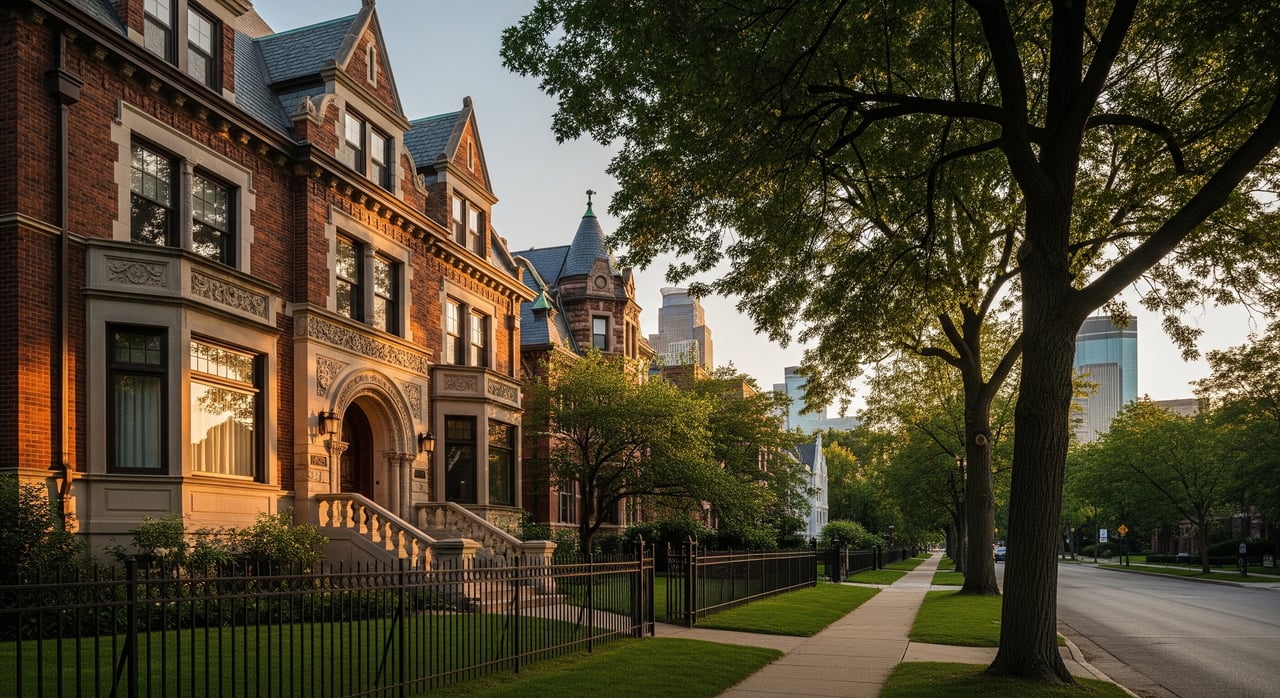
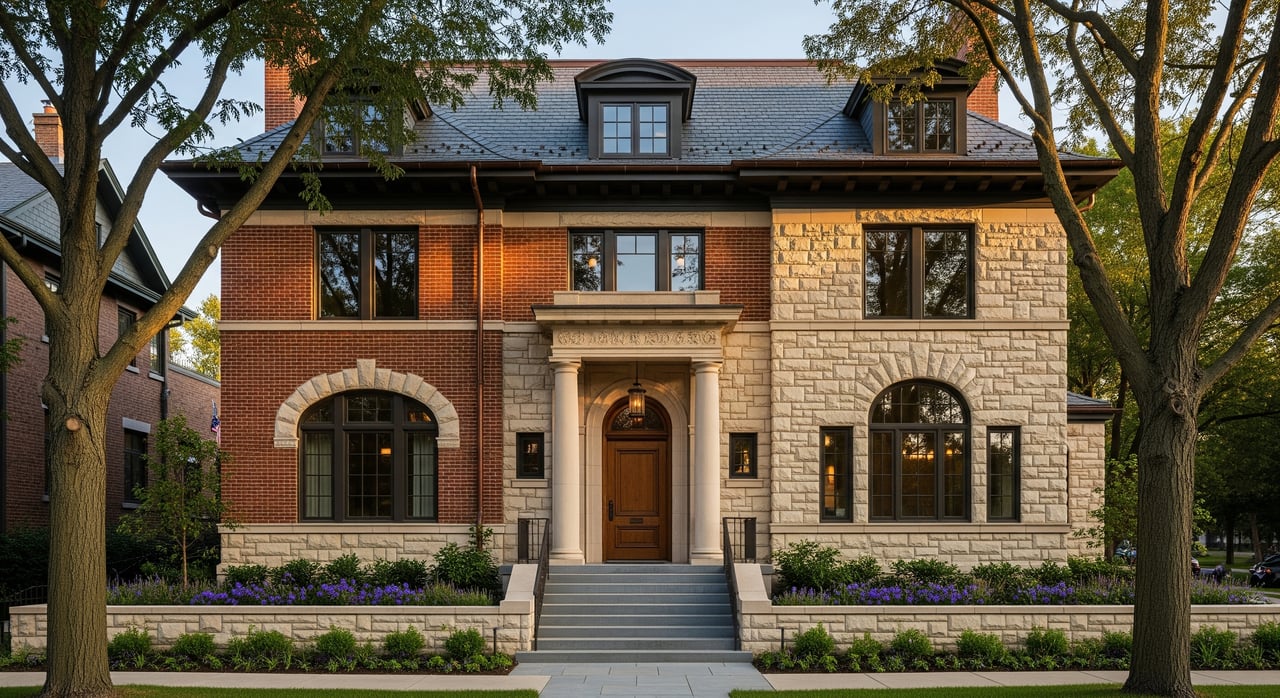
Lowry Hill grew through the late 1800s and early 1900s. You’ll find Victorian, Queen Anne, Colonial Revival, Tudor Revival, and other early 20th‑century styles. Many homes include original hardwood floors, ornate millwork, plaster walls, solid‑wood doors, and detailed masonry.
Those details are part of the neighborhood’s appeal. Preserving original features when you can often helps value. In contrast, updates that ignore the home’s style can hurt market appeal. Plan to repair and retain defining elements where feasible.
Check designation and permits
Before sketching plans, confirm the property’s historic status. Determine if your home is a local landmark or inside a local historic district. Local designation affects exterior work visible from the street. Contact Minneapolis Community Planning & Economic Development and the Heritage Preservation Commission early.
Expect standard permits for building, mechanical, plumbing, electrical, and any demolition. Zoning reviews may apply to additions or accessory structures. If the home is locally designated, exterior changes may need a Certificate of Appropriateness or similar HPC approval before permits are issued. Reviews can add weeks or months, so build this into your schedule.
Also plan for safety rules. The federal EPA Renovation, Repair and Painting Rule applies to painted surfaces in most pre‑1978 homes. In Minnesota, lead and asbestos testing or abatement may require licensed contractors and separate permits. Confirm requirements before you disturb finishes.
Plan safety and inspections
Start with a full assessment so your design choices are informed by the home’s condition.
- General home inspection focused on structure, roof, HVAC, plumbing, and electrical.
- Specialist reviews when needed, such as a structural engineer for settlement or load changes.
- Lead paint risk assessment and asbestos inspection where work will disturb suspect materials.
- Basement moisture and drainage evaluation, plus electrical safety if you suspect knob‑and‑tube wiring.
Document existing features with a photo survey. Label trim profiles, windows, stair parts, and hardware. This record helps you decide what to repair versus replace and guides craftsmen to match details.
Prioritize high‑value projects
Focus on improvements that enhance safety, comfort, and function while respecting character.
- Mechanical systems. Upgrade to efficient HVAC, consider zoning, and improve ventilation for year‑round comfort and lower operating costs.
- Insulation and air sealing. Add attic insulation and targeted air sealing. Insulate wall cavities where feasible without harming historic fabric.
- Electrical and plumbing. Replace unsafe wiring and old galvanized piping. Update panels, add grounded outlets, and modernize water heaters.
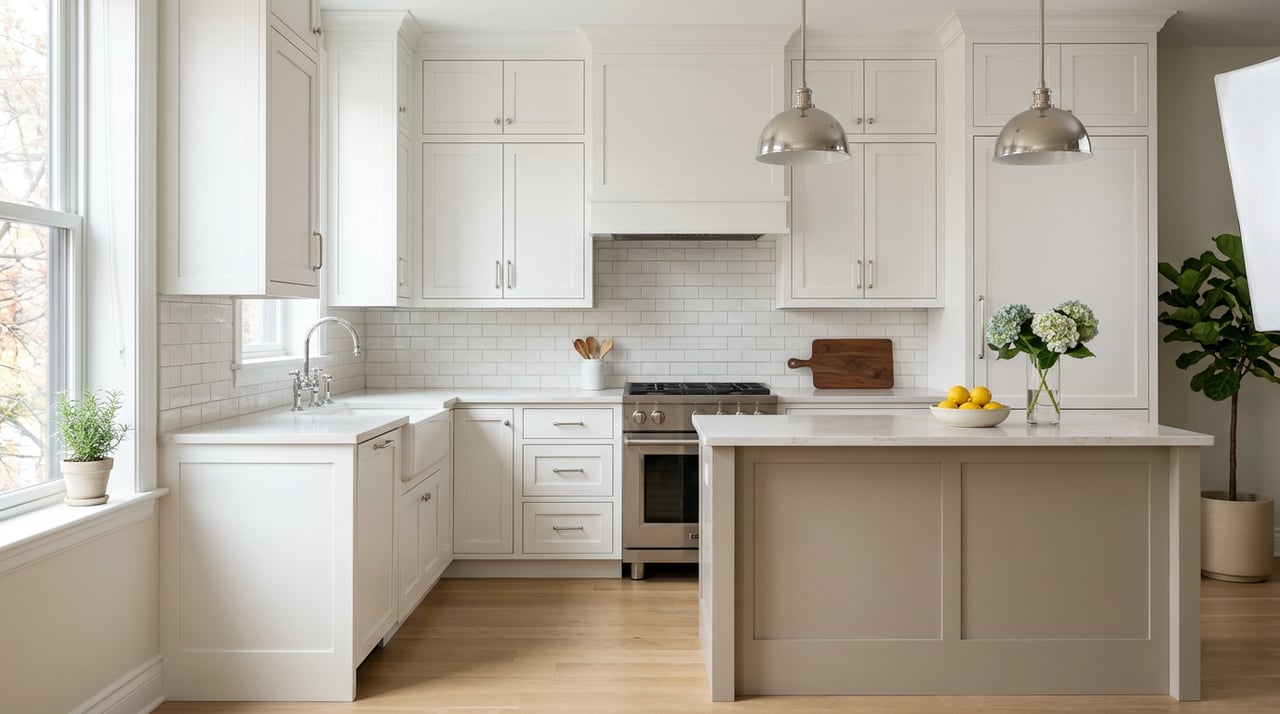
- Kitchens and baths. Refresh layouts and fixtures that fit the home’s scale and style. These rooms have an outsized impact on livability and resale.
- Basement solutions. Address moisture and drainage first. If feasible, finish space with proper egress and ceiling height for valuable extra square footage.
- Window strategy. Repair and weatherize original wood windows when possible. If replacement is required, choose historically compatible profiles and consider storm windows.
- Porches and roofs. Repair rather than replace to maintain curb appeal, matching materials and details.
- Landscape and curb appeal. Keep walkways, lighting, and plantings appropriate to the home’s era for a cost‑effective boost.
Be cautious about oversized additions, ultra‑luxury finishes out of step with nearby homes, and wholesale replacement of original millwork when repairs are possible.
Set budget and timeline
Historic renovations carry unknowns. Build a clear budget with room for surprises.
- Soft costs. Design and engineering fees, permit and plan review costs, testing for lead and asbestos, historic consultant fees if needed, and project management.
- Hard costs. Demolition, structural work, HVAC, electrical, plumbing, windows, exterior repairs, and finishes.
- Contingency. Plan at least 10 to 20 percent for hidden conditions like rot, structural issues, or hazardous materials.
- Phasing. Tackle safety, structure, and systems first. Save cosmetic upgrades for later so early work does not get undone.
Expect broad timing ranges. Discovery and planning can take 2 to 8 weeks. Design and approvals often run 4 to 16 weeks. Permitting may take 2 to 12 or more weeks, especially with historic review. Construction varies from 6 to 12 weeks for a kitchen or bath to several months for whole‑house work or additions.
Explore renovation financing
Explore options that fit your goals and timeline. Conventional renovation loans and home improvement loans can work well. Some buyers or owner‑occupants may use FHA 203(k) or Fannie Mae HomeStyle Renovation loans that roll improvements into the mortgage. Home equity or construction loans are also common. Ask your lender about eligibility and terms.
Some incentives and tax credits exist for certified historic properties, most often for income‑producing projects. Check with the Minnesota State Historic Preservation Office and local agencies to confirm what applies before you count on these funds.
Build the right team
Historic homes benefit from specialized experience.
- Architect with preservation experience to create plans and guide you through historic review.
- General contractor who routinely works on older homes and can coordinate abatement and trades.
- Structural engineer for foundations and major structural changes.
- Licensed lead and asbestos contractors if testing calls for abatement.
- A local real estate advisor to help align your scope and finishes with neighborhood norms and resale expectations.
Step‑by‑step checklist
- Confirm historic designation with the City and HPC, and review applicable guidelines.
- Order a thorough home inspection plus targeted testing for lead, asbestos, sewer laterals, and structural concerns.
- Photograph and catalog original features to guide repair decisions.
- Prioritize electrical, HVAC, plumbing, structure, and moisture control.
- Engage a preservation‑minded architect or designer.
- Secure HPC approvals if required before ordering materials or starting exterior work.
- Build a budget with a 10 to 20 percent contingency and confirm financing.
- Hire licensed, insured contractors with historic home experience and references.
- Map a timeline that accounts for approvals and potential abatement.
- Keep detailed records and photo logs for future owners and any incentives.
Common mistakes to avoid
- Skipping designation checks and starting exterior work without approvals.
- Replacing original windows and millwork that could be repaired and weatherized.
- Opening walls without testing for lead and asbestos or using non‑certified crews.
- Oversizing additions or selecting finishes far beyond neighborhood norms.
- Ignoring drainage and moisture before finishing basements.
Bring it all together
A thoughtful plan helps you update comfort and function while honoring your Lowry Hill home’s character. Start with inspections and designation checks, invest first in safety and systems, and design updates that match your home’s style. When you plan smart, you protect both your day‑to‑day enjoyment and long‑term value.
If you want market‑savvy guidance on where to invest for resale or you are weighing a purchase that needs work, connect with George L Massad for local insight, a neighborly conversation, and to Request a Free Home Valuation.
FAQs
Do exterior changes in Lowry Hill Minneapolis need approval?
- It depends on whether your home is locally designated or inside a local historic district. Verify requirements with the City’s Heritage Preservation Commission before planning exterior work.
What should I do about lead paint in a pre‑1978 Lowry Hill home?
- Follow the EPA Renovation, Repair and Painting Rule. Use EPA‑certified contractors for paint disturbance and plan for proper containment and cleanup.
Should I replace or restore original windows in a Lowry Hill house?
- Repair and weatherization often balance performance and preservation. If replacement is necessary, choose historically compatible profiles and consider storm windows.
How much contingency should I budget for a historic home renovation?
- Set aside at least 10 to 20 percent of construction costs to cover hidden conditions common in older homes.
Are there tax credits for owner‑occupied historic homes in Minnesota?
- Some incentives exist but are limited and program rules vary. Confirm eligibility with the Minnesota State Historic Preservation Office and local agencies before relying on credits.
How long can historic review add to my Lowry Hill project timeline?
- Reviews can add weeks or months depending on scope and scheduling. Build this time into your plan before ordering materials or booking crews.