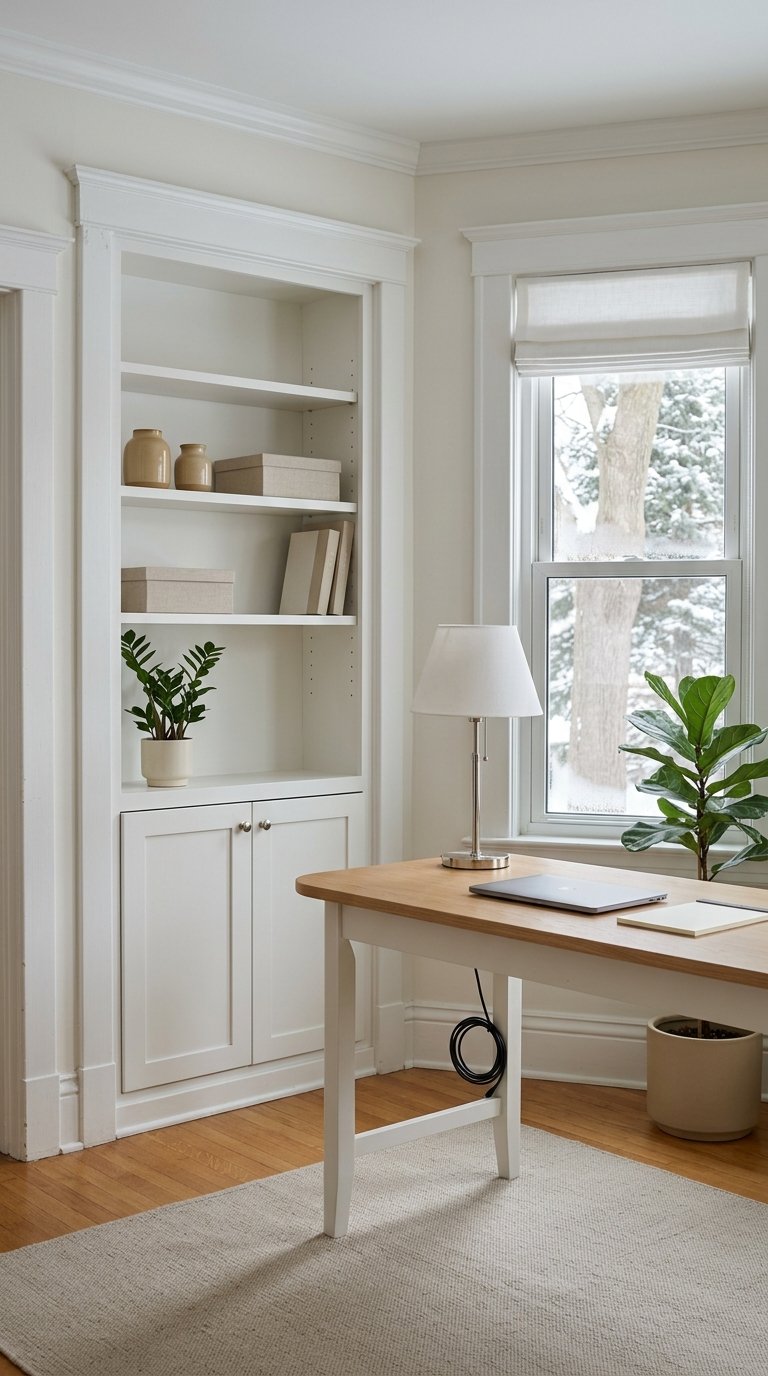
If your workday starts with video calls, focused solo time, and the need for a real boundary between home and office, not every neighborhood will fit the way you live. In Lowry Hill, you may find a different kind of option: historic homes and varied layouts that can make remote work easier when you choose carefully. If you are searching for a home that supports both daily life and a productive work routine, this guide will help you know what to look for in Lowry Hill. Let’s dive in.
Why Lowry Hill Appeals to Remote Workers
Lowry Hill sits just west of downtown Minneapolis, bordered by I-394, I-94 and Hennepin Avenue, 22nd Street, and Lake of the Isles Parkway, Logan Avenue, and Morgan Avenue. That location gives you a more residential setting while still keeping downtown and major routes close by for a hybrid commute.
The neighborhood developed in the late 19th and early 20th centuries as streetcar service expanded. According to the Lowry Hill Neighborhood Association, that history helped shape the area with broad lawns, boulevard shade trees, and well-spaced homes. For buyers who want a calmer home base without feeling far from the city, that balance can be a real advantage.
Lowry Hill also has a population profile that makes remote-work housing a relevant topic here. LHNA’s 2024 census snapshot reports 4,140 residents, with 73% holding a bachelor’s degree or higher and 29% holding a graduate or professional degree. While that does not explain individual housing choices, it does suggest a neighborhood where work-from-home needs are likely part of the conversation.
Remote and hybrid work are still common. The U.S. Bureau of Labor Statistics reported that 22.6% of workers teleworked in March 2026. That means buyers are often thinking beyond square footage alone and focusing more on whether a home can support quiet, daylight, and separation during the workday.
What Lowry Hill Homes Offer
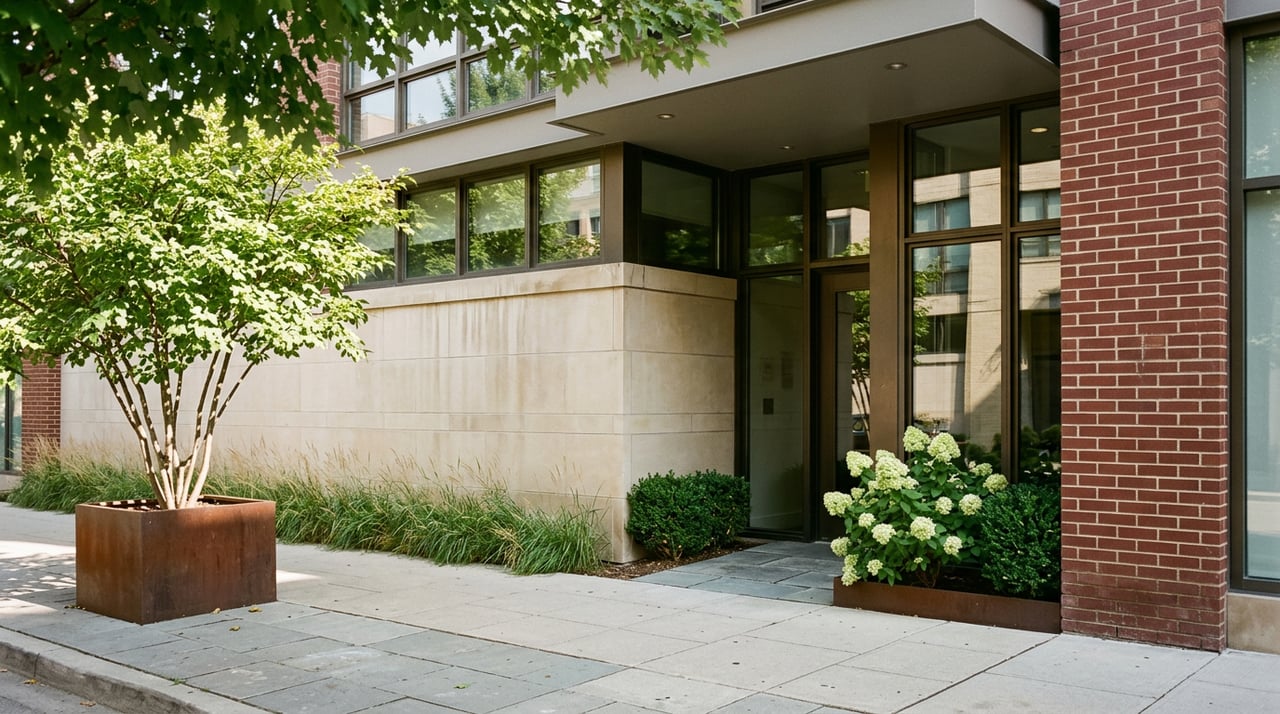
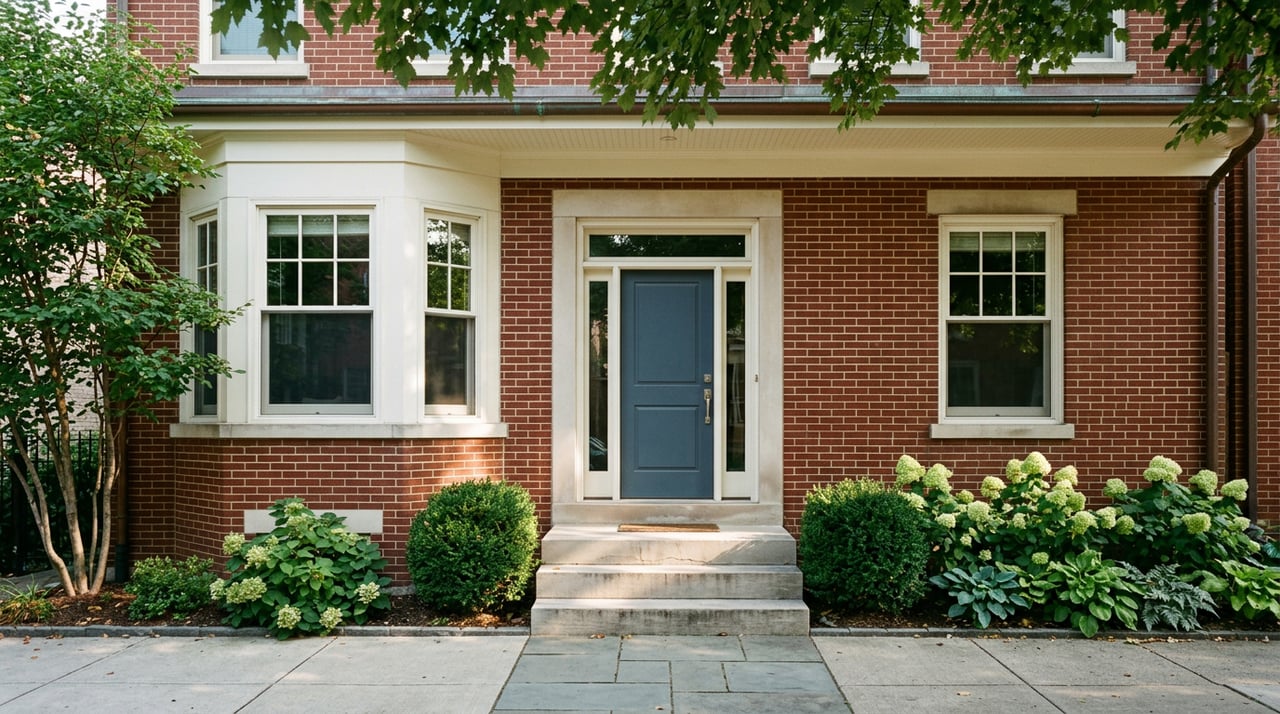
Lowry Hill is not a one-style neighborhood. The housing stock includes large historic single-family homes, converted properties, and some multi-family options, especially near Hennepin and Franklin Avenues where apartment buildings were added after 1910.
That mix matters when you are shopping for a remote-work friendly home. Instead of seeing one uniform product type, you are more likely to compare homes with very different floor plans, room counts, and levels of privacy. In practice, that can create more opportunity if you want a den, library, office, or flex room.
The neighborhood also includes a wide architectural range. City landmark examples show Colonial Revival, Prairie School, Queen Anne, Georgian Revival, Tudor Revival, and Richardsonian Romanesque styles in Lowry Hill. For buyers, that often means room-based layouts and stair-separated levels that may work well for carving out a dedicated work zone.
Best Home Features for Remote Work
When you tour homes in Lowry Hill, it helps to think beyond the phrase “home office.” The real question is whether the property can support the way you work day after day.
Here are some of the most useful features to prioritize:
- A true separate office or flex room
- Good natural daylight from usable windows
- A layout that keeps work and living areas distinct
- Enough distance from busier streets or activity zones
- Room-based floor plans that allow for privacy during calls
The National Association of Realtors has highlighted adaptability, daylight, and noise control as important home-office considerations. In Lowry Hill, those factors line up well with the neighborhood’s older housing stock, where enclosed rooms may offer more separation than newer open-concept layouts.
How to Evaluate a Work-From-Home Layout
A pretty room is not always a productive room. When you walk through a home, try to picture your actual schedule instead of just the staging.
Ask yourself a few practical questions:
- Can you take calls without household noise carrying into the room?
- Does the space get enough natural light during your normal work hours?
- Is there a door or clear separation from main living areas?
- Will the room still function well if your work needs change later?
- Is there enough space for storage, a desk setup, and comfortable seating?
This kind of evaluation is especially important in Lowry Hill because historic homes can vary so much from one property to the next. One house may offer a bright front room that works beautifully as an office, while another may have more square footage but less practical separation.
Historic Homes and Renovation Planning
One of Lowry Hill’s biggest draws is character. At the same time, character can come with extra planning if you want to make changes to a home for remote work.
The City of Minneapolis states that alterations to locally designated landmarks and historic districts must be reviewed and approved by the city. If you are considering built-in shelving, new windows, layout changes, or other office-related modifications that affect protected features, it is smart to check those rules early.
That does not mean a historic property cannot work for your needs. It simply means you should factor renovation flexibility into your home search from the start. A home that already has the right room setup may save time and reduce uncertainty.
Nearby Amenities That Support the Workday
Remote work is not only about what happens inside your home. It is also about whether the neighborhood gives you easy places to reset, take a break, or step away between meetings.
Lowry Hill offers strong nearby amenities for that kind of routine. The Lowry Hill Neighborhood Association highlights Thomas Lowry Park, the Minneapolis Sculpture Garden, Parade Ice Garden, Lake of the Isles, the Chain of Lakes paths, and the Grand Rounds Scenic Byway as key neighborhood resources.
Thomas Lowry Park includes benches, a small walking trail, and the Seven Pools water feature. For a midday break, that kind of nearby green space can make your routine feel more manageable.
Lake of the Isles is another major draw. It is popular with walkers, bikers, canoeists, kayakers, and paddleboarders, giving you a close option for movement before work, after work, or during a long lunch break.
The Minneapolis Sculpture Garden stands out for remote workers in particular. The garden is free, open daily, and offers free Wi-Fi. Walker Art Center also describes it as a place for gathering, conversation, or quiet time, which makes it a useful change of scenery between calls or focused work sessions.
Lowry Hill also has local food-and-beverage stops listed in the neighborhood directory, including places like Sebastian Joe’s and Sisyphus Brewing. That supports the idea that everyday errands, coffee breaks, and casual meetups can be convenient without going far.
Tradeoffs to Keep in Mind
Lowry Hill can be a strong fit if you value historic character, multi-room layouts, and access to parks and arts amenities. Buyers who want a dedicated office, den, or library may find more possibilities here than in neighborhoods dominated by newer open-concept homes.
The tradeoff is that variation is part of the package. Layout, condition, and preservation constraints can differ widely from one property to another. That means your search should stay focused on function, not just charm.
For many buyers, that is worth it. A home with the right room flow, usable light, and clear separation between work and living can support your routine in a way that feels hard to replicate in less flexible floor plans.
How to Shop Smart in Lowry Hill
If you are comparing homes in Lowry Hill through a remote-work lens, a clear checklist can help. Try to rank your priorities before you start touring so you can make better side-by-side decisions.
Focus on these points first:
- Whether the home has a dedicated workspace or easy flex-room potential
- How the light changes through the day
- Whether the layout supports privacy and noise control
- How close the home sits to busier corridors
- Whether any future changes may involve historic review requirements
- How nearby parks and neighborhood amenities fit your daily routine
That kind of neighborhood-first approach can keep your search practical and grounded. In a place like Lowry Hill, where housing options are distinctive and often full of character, the details matter.
If you want help comparing homes in Minneapolis with your work-from-home needs in mind, George L Massad can help you evaluate layout, lifestyle fit, and the tradeoffs that come with different property types in Lowry Hill.
FAQs
What makes Lowry Hill appealing for remote-work friendly homes?
- Lowry Hill offers a residential feel near downtown Minneapolis, a mix of historic housing types, and nearby parks and arts amenities that can support a flexible work-from-home routine.
What home features should buyers prioritize in Lowry Hill for remote work?
- Buyers should look for a separate office or flex room, good natural light, a layout with clear separation between work and living areas, and enough privacy for calls and focused work.
Are historic Lowry Hill homes good for home offices?
- Many historic homes in Lowry Hill may offer room-based layouts, stair-separated levels, and adaptable spaces like dens or libraries, but each property should be evaluated for function and privacy.
Do Lowry Hill buyers need to consider historic preservation rules?
- Yes. The City of Minneapolis requires review and approval for alterations to locally designated landmarks and historic districts, so buyers should check renovation limits early if office-related changes are important.
What nearby Lowry Hill amenities help support remote workers?
- Nearby amenities include Thomas Lowry Park, Lake of the Isles, the Chain of Lakes paths, Parade Ice Garden, and the Minneapolis Sculpture Garden, which is free, open daily, and offers free Wi-Fi.
Is Lowry Hill a good fit for buyers who want newer open-concept homes?
- Lowry Hill is generally better suited to buyers who value historic character and multi-room layouts, since the neighborhood is known more for older housing stock than brand-new open-concept construction.